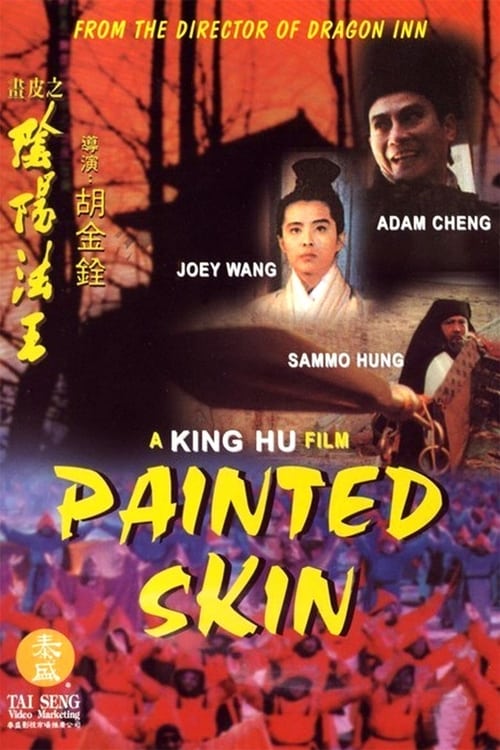
Painted Skin
1993
No user ratings available yet
Representation score: 3.2 out of 10
Representation Score
Good
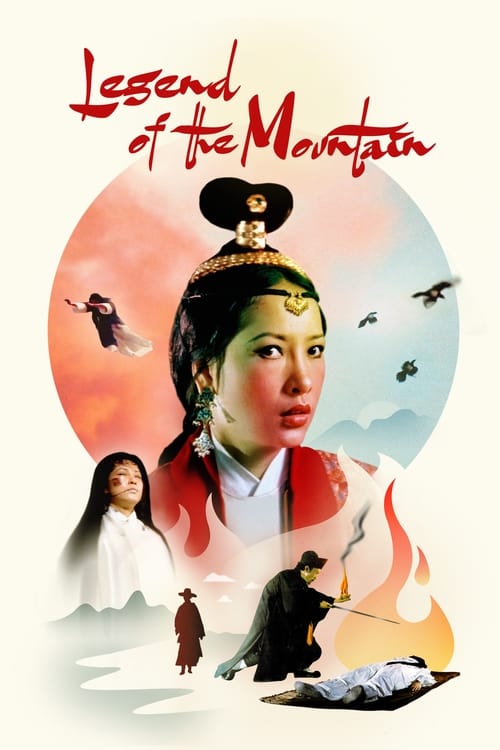
1979
Not RatedDirector
King Hu
Runtime
192 minutes
Average Rating
No ratings yetNew Showbiz Analysis
King Hu’s work stands out for its sophisticated subversion of gender roles and its commitment to cultural authenticity. By centering female martial artists as active, dominant agents, the film avoids the passive female clichés common in historical epics. The film excels in its immersion into Tang Dynasty aesthetics and Eastern spiritualities. It rejects Western-centric norms by prioritizing Buddhist and Taoist metaphysics, creating a narrative that feels deeply rooted in its specific cultural milieu. However, the film lacks representation in other key areas. There is no explicit LGBTQ+ presence, and the use of supernatural ‘others’ fails to provide nuanced depictions of human disability or neurodivergence.
Category Breakdown
The film lacks explicit LGBTQ+ characters or narratives. The story focuses on spiritual struggles and interactions between a scholar and martial artists within a traditional historical framework.
Female martial artists play a significant role in driving the story, challenging conventional gender hierarchies. They are depicted as highly skilled, intellectually engaged, and physically dominant in combat sequences.
Set during the Tang Dynasty, the film maintains a culturally authentic, non-Anglo-Saxon majority cast. It provides a deep immersion into Chinese historical and mythological aesthetics.
The narrative centers on Taoist mysticism and Buddhist philosophy. By focusing on a Buddhist sutra, the film prioritizes Eastern metaphysical frameworks over Western moralities.
Supernatural entities and demons are used as mythological archetypes rather than nuanced depictions of human disability. There is no evidence of characters with disabilities as agents.
Present on Screen
Limited or Absent
Official Synopsis
A traveling scholar is intent on translating a Buddhist sutra that is said to have power over the creatures of the afterlife. He slowly finds himself entangled in a mysterious plot involving witchcraft, demons, and a battle to preserve his own soul from the attacks of the supernatural underworld.
1993

1970
1966
1987
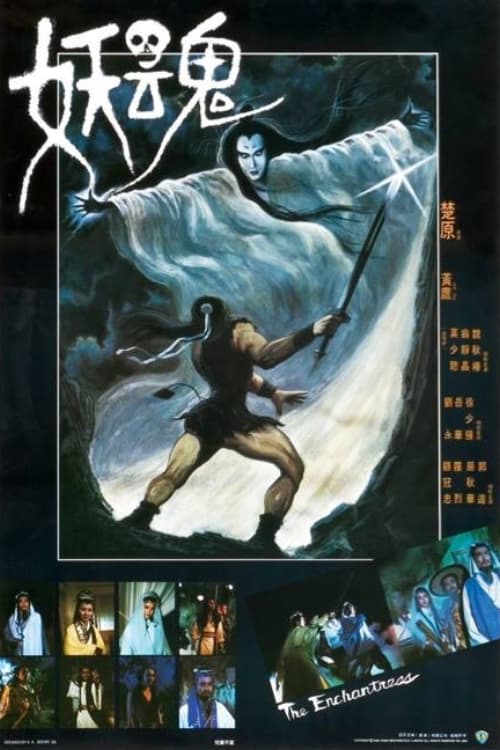
1983
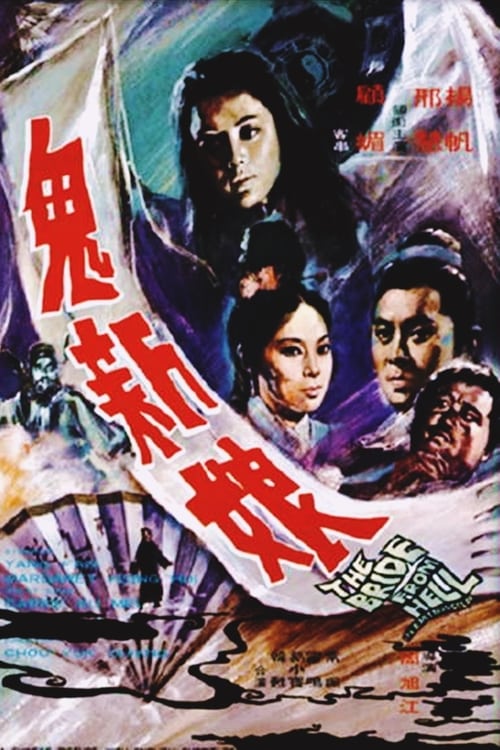
1972

2021
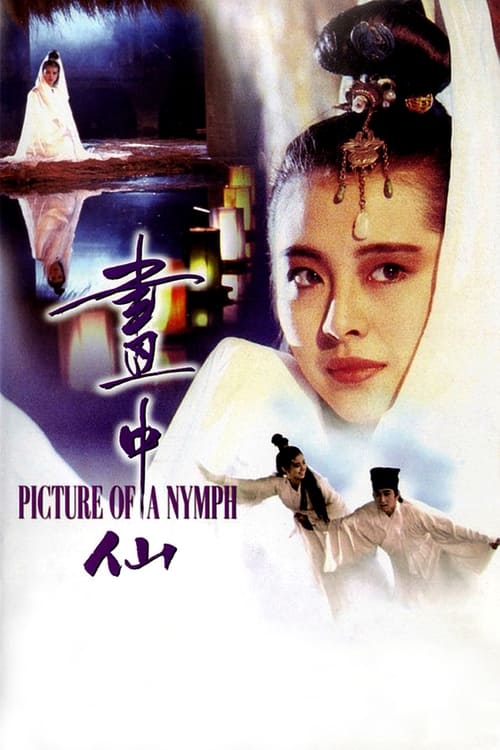
1988
No reviews yet. Be the first to share your thoughts on this movie!
Use the rating form above to leave a star rating and optional review.