Blind Man's Bluff
1985
No user ratings available yet
Representation score: 2.9 out of 10
Representation Score
Limited
1977
Director
André Cayatte
Runtime
105 minutes
Average Rating
No ratings yetNew Showbiz Analysis
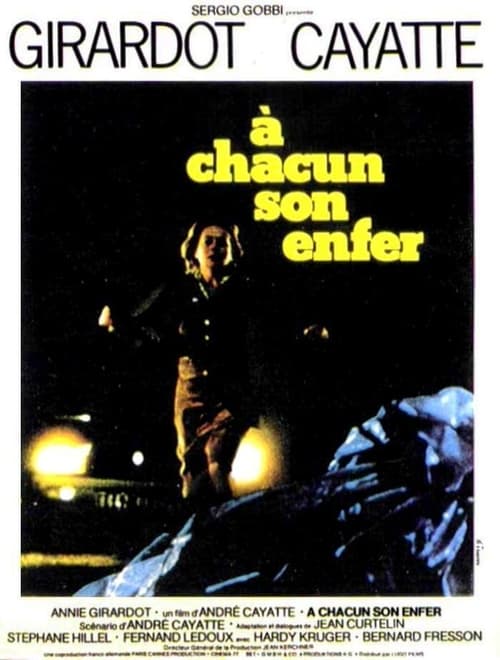
To Each His Hell operates as a psychological thriller that centers on a female protagonist navigating systemic failure. While it avoids the standard 'rescue' clichés of the genre, it remains anchored in the demographic norms of 1970s European filmmaking. The film lacks diverse representation, particularly regarding race and LGBTQ+ identities. However, it offers a sophisticated critique of institutional reliability and social structures. Ultimately, the work prioritizes the psychological erosion of the individual over communal or institutional salvation, providing a skeptical view of societal protections.
Category Breakdown
The film does not include explicit LGBTQ+ characters or narratives. The main storyline revolves around a traditional maternal bond and the trauma of abduction.
Annie Girardot leads the film, centering the plot on a mother's role and psychological resilience. This shifts the focus away from typical male-led thriller clichés.
The production features a predominantly white cast. It reflects the standard demographic landscape of 1977 French cinema without significant racial blending.
The narrative explores moral relativism and the breakdown of social safety nets. It critiques the reliability of institutions through individual suffering.
While the film explores psychological trauma, it is unclear if these are portrayed with specific ability to act or used as plot devices.
Present on Screen
Limited or Absent
Official Synopsis
After her daughter is kidnapped, a mother discovers that there can be something even worse after "the worst."
1985
1965

2000

1974

1975

1993

2008

2013
No reviews yet. Be the first to share your thoughts on this movie!
Use the rating form above to leave a star rating and optional review.