83 Hours 'Til Dawn
1990
No user ratings available yet
Representation score: 2.3 out of 10
Representation Score
Minimal
2008
TV-14Director
Arthur Allan Seidelman
Runtime
90 minutes
Average Rating
No ratings yetNew Showbiz Analysis
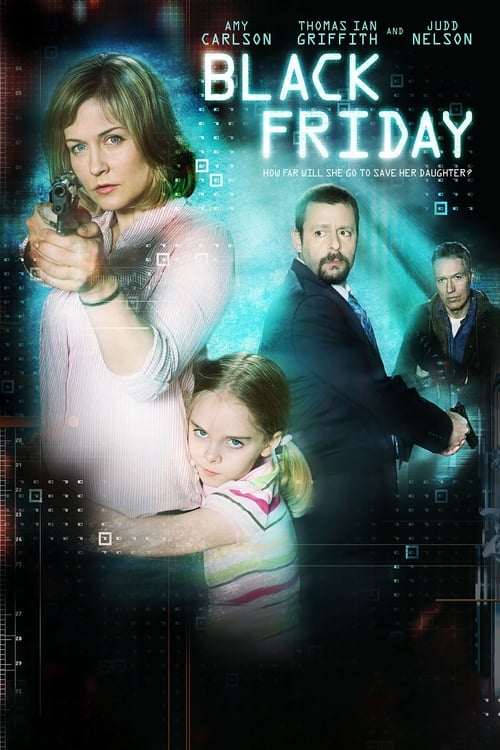
Black Friday is a traditional crime thriller that adheres to well-established genre conventions. While it places a woman in a high-stakes professional role, the narrative ultimately falls back on traditional vulnerabilities through the kidnapping of the protagonist’s daughter. The film lacks complexity in representing diverse identities, such as LGBTQ+ individuals or those with disabilities. Its focus remains on Western values and local issues, avoiding broader cultural critiques. Overall, it functions as a standard genre piece that prioritizes traditional morality and archetypal roles over diverse perspectives.
Category Breakdown
The film does not include any LGBTQ+ characters or themes, operating within a traditional framework focused on heterosexual relationships.
Amy Carlson, a bank security specialist, holds a professional role that challenges traditional gender stereotypes. However, the plot includes the 'damsel in distress' cliché through the kidnapping of her daughter.
The cast is predominantly white and lacks diversity, reflecting a homogeneous approach typical of mid-2000s thrillers.
The storyline centers on Western values and local crime, avoiding broader cultural or systemic critiques.
The film does not feature any characters with visible or invisible disabilities, nor does it integrate neurodivergence or physical disabilities into its narrative.
Present on Screen
Limited or Absent
Official Synopsis
Two crooked cops kidnap the daughter of a bank-securities expert as a last resort to help with a robbery of a safe deposit box. A robbery that failed in the first attempt.
1990

2002

2009
2009
1991
2022
2013

2011
No reviews yet. Be the first to share your thoughts on this movie!
Use the rating form above to leave a star rating and optional review.