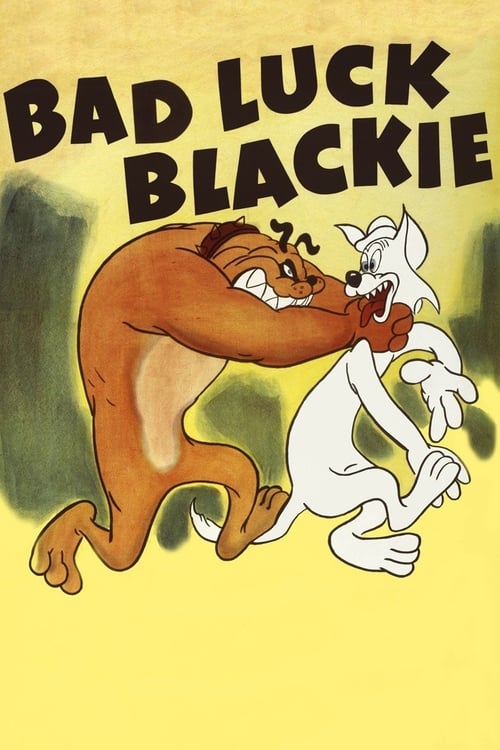
Bad Luck Blackie
1949
No user ratings available yet
Representation score: 0.5 out of 10
Representation Score
Minimal
1935
ApprovedDirector
Burt Gillett, Shamus Culhane
Runtime
7 minutes
Average Rating
No ratings yetNew Showbiz Analysis
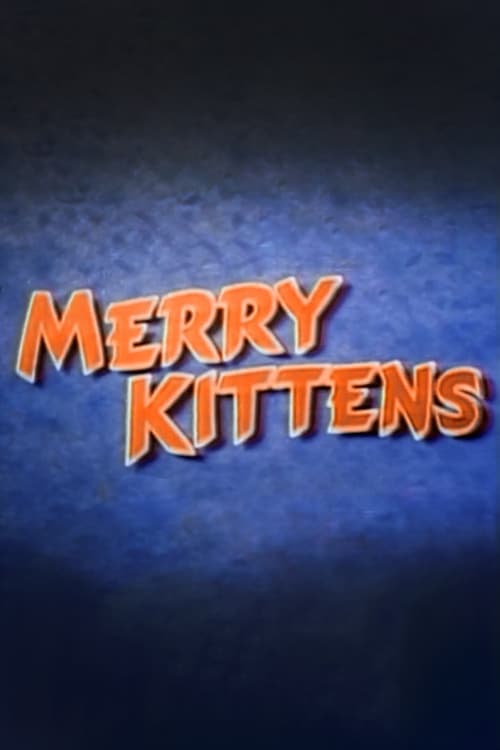
The Merry Kittens is a product of its 1935 era, prioritizing physical humor and slapstick over social representation. The narrative focuses on the chaotic relationship between kittens and a protector dog, avoiding complex social themes. Because the characters are anthropomorphic animals, the film avoids engaging with underrepresented identities and diverse perspectives. The narrative architecture adheres to the conventional, homogeneous character clichés common in early Silly Symphonies shorts, offering little in the way of progressive social commentary.
Category Breakdown
The film does not include any characters with non-straight identities or queer narratives. It uses anthropomorphic animal characters that do not explore sexual orientation.
The kittens play a significant role through their mischievous behavior, but this does not challenge traditional gender roles. The dog's role as a caretaker follows traditional, non-nuanced power dynamics.
The cast consists entirely of animal characters with no evidence of racial or ethnic diversity. The character designs lack variety and depth in representing different backgrounds.
The story focuses on individual mischief and slapstick consequences. It avoids critiques of Western institutions or complex moral relativism, favoring simple comedic chaos.
There is no indication of characters possessing visible or invisible disabilities. All characters function within standard physical parameters for animated animals.
Present on Screen
Limited or Absent
Official Synopsis
[Animated] short of kittens taking unfair advantage of a well meaning dog, who actually is functioning as their protector.
1949
1939
1937
1945
1941
1953
1948
1946
No reviews yet. Be the first to share your thoughts on this movie!
Use the rating form above to leave a star rating and optional review.