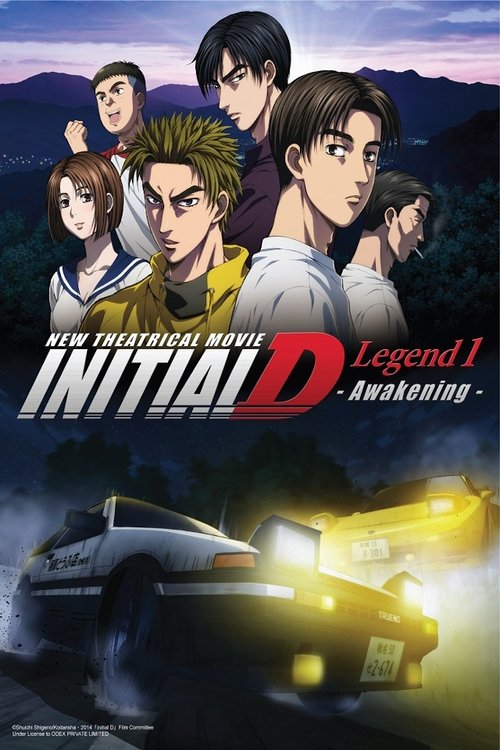
Initial D Legend 1: Awakening
2014
No user ratings available yet
Representation score: 0.8 out of 10

Representation Score
Minimal
2016
Director
Masamitsu Hidaka
Runtime
65 minutes
Average Rating
No ratings yetNew Showbiz Analysis
Initial D Legend 3: Dream is a highly specialized work that prioritizes genre-specific clichés over broader demographic representation. The creative direction focuses on preserving a specific cultural niche, resulting in a narrative that is ethnically, gendered, and socially homogeneous. The film operates within a traditional framework that values niche subcultural authenticity. It prioritizes technical skill and automotive mastery over broad demographic inclusivity, adhering to established genre expectations. Ultimately, the story functions as a study of masculine competition and technical prowess. It maintains situational accuracy for its setting but lacks diverse ability to act or identity-driven storytelling.
Category Breakdown
The film does not include any characters with non-straight or non-cisgender identities. There is no depiction of same-sex relationships or intimate interactions involving LGBTQ+ individuals.
The story centers around a male-dominated hierarchy where the primary drivers of the plot are almost exclusively male characters. This reinforces traditional gender roles and interests.
The cast is ethnically uniform, reflecting the localized reality of the Japanese street racing subculture. The setting is culturally specific to the Gunma Prefecture.
The film focuses on a specialized subculture centered on illegal street racing. The morality in the story is defined by the internal codes of the racing community, rather than broader societal critiques.
There is no representation of physical or neurodivergent disabilities in the film. Characters are defined by the physical coordination and sensory acuity required for high-speed driving.
Present on Screen
Limited or Absent
Official Synopsis
Takumi Fujiawara has garnered the attention of the street racer Ryousuke Takahashi, leader of the RedSuns. As he prepares for the biggest race in his life, Takumi finds himself trying to juggle his passion for racing with his personal life.
2014

2005
2015
2009

2001
2015

2001
2007
No reviews yet. Be the first to share your thoughts on this movie!
Use the rating form above to leave a star rating and optional review.