
Major Payne
1995
No user ratings available yet
Representation score: 1.2 out of 10

Representation Score
Good
1989
PGDirector
Jeff Kanew
Runtime
106 minutes
Average Rating
No ratings yetNew Showbiz Analysis
Troop Beverly Hills stands out for its gendered narrative subversion. By transforming a housewife into a capable mentor and leader, the film challenges traditional expectations of female competence and authority. However, the film is limited by its era, showing a lack of representation for LGBTQ+ identities and individuals with disabilities. These omissions prevent a higher overall score. While the cast is not predominantly non-white, the film uses socioeconomic disparity to drive its story. The troop acts as a space where different class backgrounds intersect and clash.
Category Breakdown
The film adheres to an assumption that everyone is straight or cisgender, lacking any characters or storylines that explore LGBTQ+ identities.
Phyllis Nefler challenges traditional 1980s clichés by taking a leading role as a capable mentor and leader. The story emphasizes female sisterhood and independence from male validation.
The troop functions as a microcosm for social integration, bringing together girls from different economic backgrounds. This setup highlights tensions between the affluent Beverly Hills lifestyle and those with less privilege.
The narrative critiques the superficiality of high-society capitalism and exclusionary social clubs. It emphasizes organic communal bonds over the strict rules of formal institutions.
There is no significant or intentional focus on visible or invisible disabilities. Characters with disabilities are not central to the plot or character arcs.
Present on Screen
Limited or Absent
Official Synopsis
A Beverly Hills housewife in the middle of a divorce tries to find focus in her life by taking over her daughter's Wilderness Girls troop.
1995
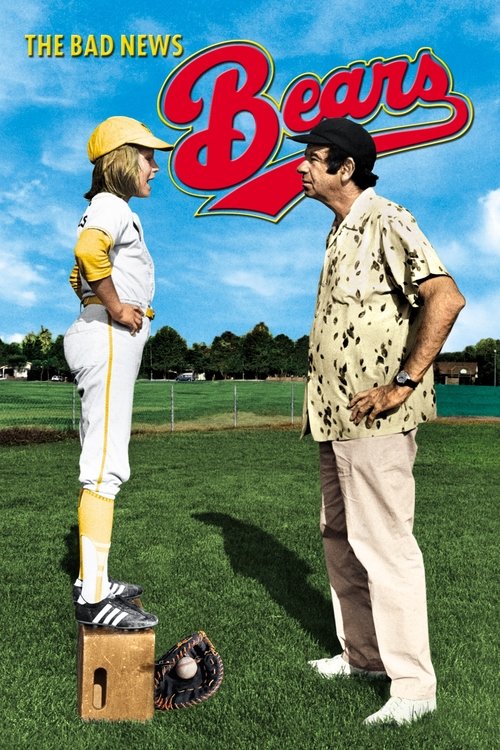
1976

2003

1997

1983

1994

2002

1981
No reviews yet. Be the first to share your thoughts on this movie!
Use the rating form above to leave a star rating and optional review.