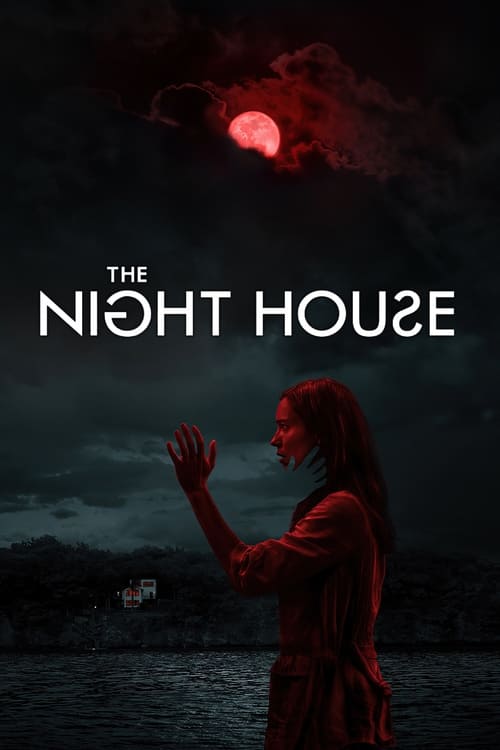
The Night House
2021
No user ratings available yet
Representation score: 2.8 out of 10

Representation Score
Good
2018
Director
Nils Loof
Runtime
89 minutes
Average Rating
No ratings yetNew Showbiz Analysis
Jenseits des Spiegels is a character-driven psychological study that prioritizes internal experience over external action. It succeeds in centering women's ability to drive the story and exploring the instability of memory and truth through a gendered lens. However, the film lacks breadth in its representation, appearing confined to a homogeneous family unit with little evidence of racial or LGBTQ+ the way different parts of someone's identity overlap. Ultimately, the film's strength lies in its deconstruction of objective reality, even if it remains limited in its social diversity.
Category Breakdown
The story focuses on a strong emotional connection between two sisters, suggesting a blurring of individual identity boundaries. While no explicit LGBTQ+ identities are mentioned, Julia's growing identification with Jette hints at a challenge to traditional identity boundaries.
The narrative centers on women's ability to drive the story and the experience of trauma. It avoids traditional patriarchal structures by emphasizing the psychological journey of a woman.
The film seems to focus on a localized, potentially homogeneous family unit. There is no indication of a diverse cast or intentional use of race-bent casting.
The film prioritizes individual truth over institutional conclusions. It explores subjective morality by questioning the official narrative of a suicide and focusing on psychological complexity.
The plot delves into profound mental health themes, including trauma and potential psychosis. The central conflict hinges on the protagonist's internal psychological state.
Present on Screen
Limited or Absent
Official Synopsis
Julia moves with her family to the remote courtyard of her deceased sister. Despite the gruesome memory, she hopes for a reconciliation with her traumatic past. But for Julia her sister Jette remains omnipresent. She soon believes she hears her voice and increasingly has doubts about the alleged suicide. Julia tries to figure out what happened in the last days before Jette's death and identifies more and more with her. She believes that only one last desperate act can save them all. But evil has many faces.
2021

2019

2024
2005

2015

2012
2008

2021
No reviews yet. Be the first to share your thoughts on this movie!
Use the rating form above to leave a star rating and optional review.