Bunshinsaba
2012
No user ratings available yet
Diversity score: 2.6 out of 10
2015
Director
Jang Jae-hyun
Runtime
103 minutes
Average Rating
No ratings yetSynopsis
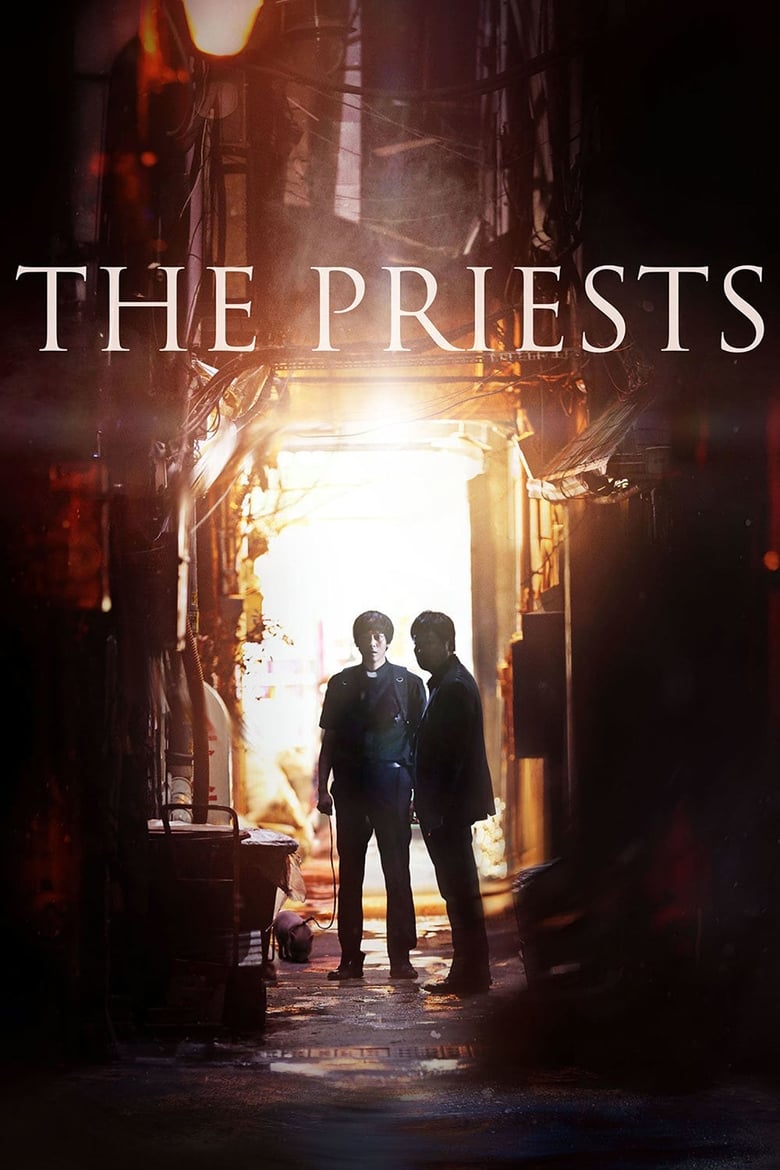
To save a girl in danger, a priest and deacon jump into a mysterious case.
Overall Score
Limited
Category Breakdown
LGBTQ+ Representation
The film maintains a strictly heteronormative and cisnormative framework. There are no depictions of queer narratives or non-heteronormative identities present.
Gender Representation
The story centers on a male-dominated hierarchy of priests and deacons. Female characters are positioned in states of vulnerability, serving as catalysts for male action rather than active agents.
Racial & Ethnic Diversity
Set in South Korea, the cast reflects the local demographic. The film does not utilize intersectional casting or non-human metaphors to explore diverse identities.
Religious & Cultural Diversity
The narrative is deeply rooted in Catholic morality and institutional authority. It presents a clear dichotomy of good versus evil, emphasizing faith and sacred protocols.
Disability Representation
Themes of distress are framed through supernatural demonic possession rather than human disability. Characters experiencing these states lack agency and serve primarily as horror elements.
Strengths
Areas for Improvement
AI Analysis
The Priests is a traditionalist supernatural thriller that prioritizes religious orthodoxy and established social hierarchies. The narrative structure reinforces the authority of the Church and traditional masculine roles, focusing on the spiritual combat between clergy and demonic forces. While the film is contextually accurate to its South Korean setting, it lacks intentionality regarding the inclusion of intersectional identities or the subversion of social norms. It functions as a culturally specific piece that adheres to demographic norms without exploring broader diversity. Ultimately, the film serves to reinforce the stability of traditional moral frameworks. It avoids postmodern ambiguity, opting instead for a conventional storytelling style that centers on protection and institutional strength.
No reviews yet. Be the first to share your thoughts on this movie!
Use the rating form above to leave a star rating and optional review.