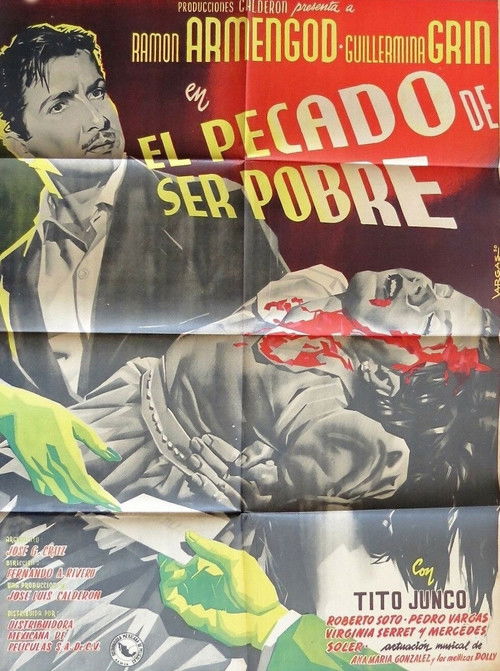
El pecado de ser pobre
1950
No user ratings available yet
Representation score: 1.7 out of 10

Representation Score
Fair
1979
Director
Arturo Ripstein
Runtime
95 minutes
Average Rating
No ratings yetNew Showbiz Analysis
Arturo Ripstein’s *Life Sentence* deconstructs traditional melodrama by exploring systemic entrapment and socioeconomic pressures. Unlike mainstream cinema, it avoids polished, moralistic narratives. The film’s strength lies in its cultural specificity and critique of institutional stability. However, it lacks LGBTQ+ representation and characters with specific disabilities, remaining rooted in a traditional, though destructive, framework.
Category Breakdown
The film adheres to a traditional framework that assumes everyone is straight. There are no characters with LGBTQ+ identities.
The film challenges traditional gender roles by focusing on the psychological impact and ability to act of the female protagonist within a dysfunctional environment.
The predominantly Mexican cast offers a localized perspective, avoiding a Western-centric viewpoint.
The film critiques social institutions through themes of fatalism, highlighting the breakdown of familial stability and the failure of social reintegration.
There are no characters with physical or neurodivergent disabilities. Psychological trauma is explored, but specific disabilities are not central to the plot.
Present on Screen
Limited or Absent
Official Synopsis
After being released from jail, "Tarzan" Lira seeks to rebuild his life as a bank employee. Unfortunately, it might not be as easy as he thinks.
1950

1973

1997

1959
1982

2003

1986

1978
No reviews yet. Be the first to share your thoughts on this movie!
Use the rating form above to leave a star rating and optional review.