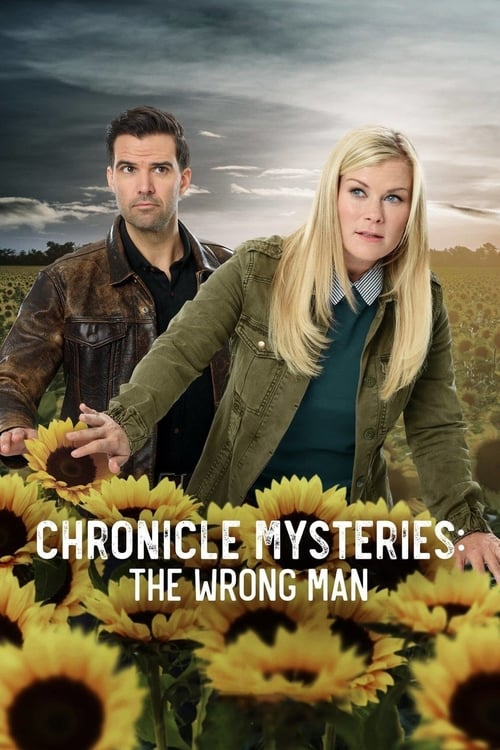
Chronicle Mysteries: The Wrong Man
2019
No user ratings available yet
Representation score: 4.2 out of 10
Representation Score
Fair
2019
GDirector
David Weaver
Runtime
85 minutes
Average Rating
No ratings yetNew Showbiz Analysis
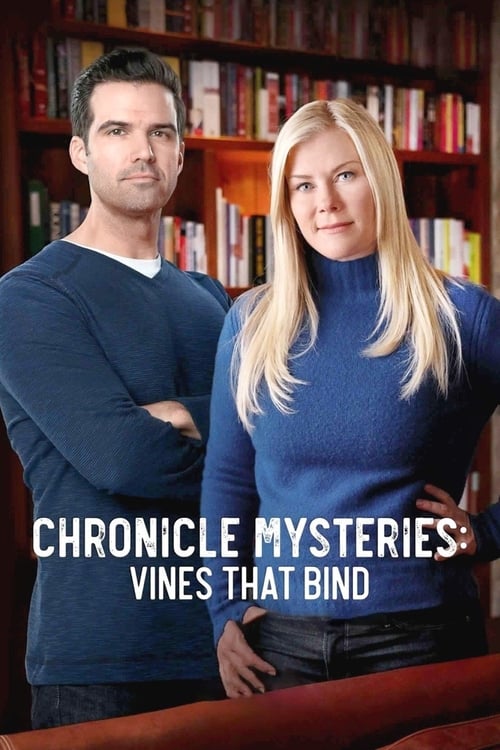
Chronicle Mysteries: Vines that Bind operates as a standard procedural mystery. It provides meaningful ability to act to its female lead, Alex McPherson, by placing her in a position of leadership and intellectual authority. This departure from traditional gender roles offers a fresh perspective on the genre's typical power dynamics. However, the film largely adheres to conventional genre expectations. The narrative architecture prioritizes resolving localized conflicts and investigative curiosity over disrupting systemic social hierarchies. It functions more as a professional procedural than a vehicle for identity-based political frameworks. Ultimately, the production maintains a neutral stance on many identity categories. While it avoids outdated clichés, it lacks the specific, visible representation of LGBTQ+ identities, diverse racial backgrounds, or disability-focused narratives.
Category Breakdown
The film does not provide explicit information about the sexual orientation or gender identity of the main characters. The focus is on the mechanics of a true crime investigation.
Alex McPherson, a female protagonist, leads a professional investigative team. Her position grants her intellectual authority and ability to act, challenging traditional gender roles and stereotypes.
The setting and subject matter provide limited information about the racial composition of the cast. There is no clear indication of a non-white majority or multi-layered character depth.
The plot centers around a professional staff performing a civic function through investigative journalism. It leans towards traditional mystery clichés without deconstructing Western social or religious institutions.
The film does not contain any information regarding the inclusion of characters with physical, sensory, or neurodivergent disabilities.
Present on Screen
Limited or Absent
Official Synopsis
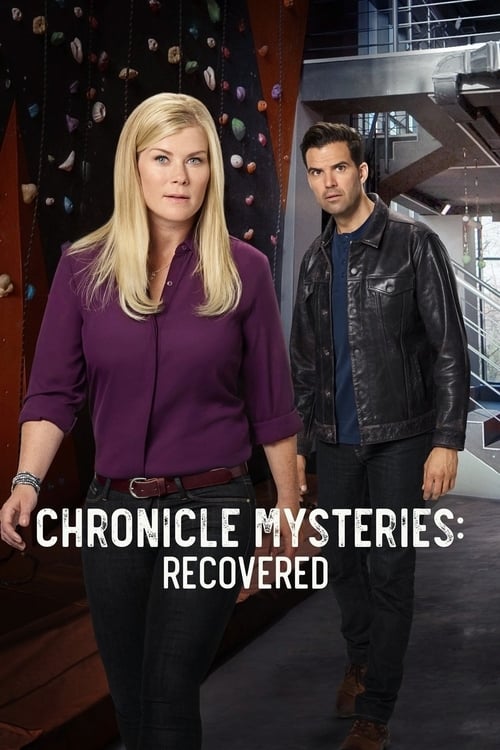
The latest edition of Alex McPherson’s true crime podcast leads her and most of the Chronicle staff to nearby Macklin, where they investigate the death of a vintner that was ruled an accident by the local police.
2019
2021
2019
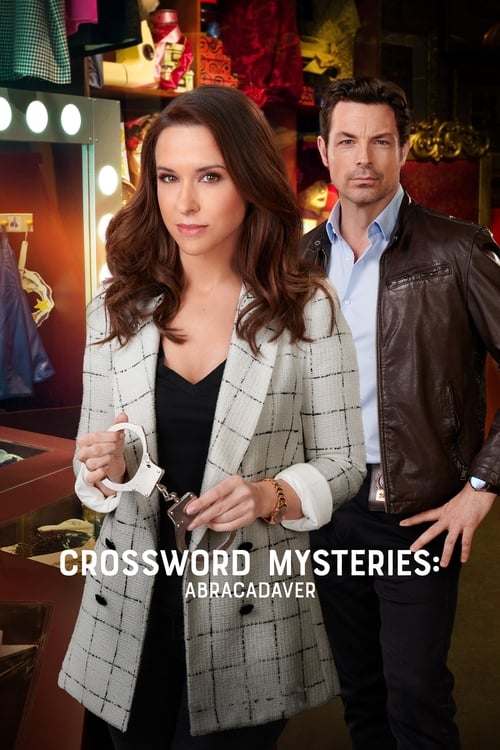
2020
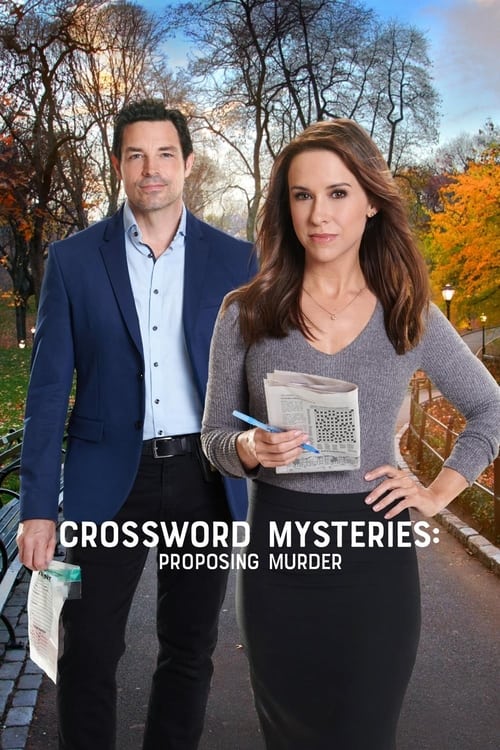
2019
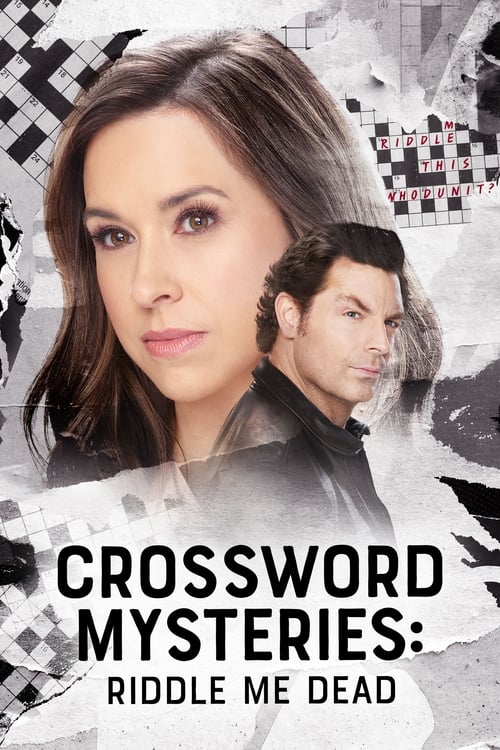
2021
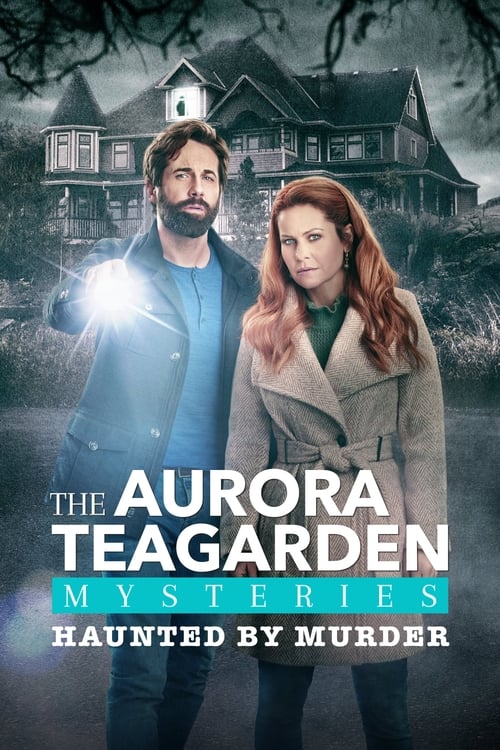
2022
2019
No reviews yet. Be the first to share your thoughts on this movie!
Use the rating form above to leave a star rating and optional review.