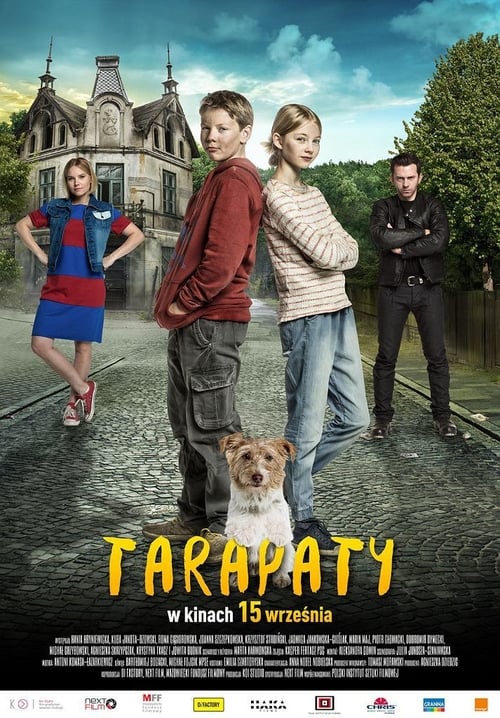
Double Trouble
2017
No user ratings available yet
Representation score: 3.5 out of 10

Representation Score
Limited
2020
Director
Marta Karwowska
Runtime
0 minutes
Average Rating
No ratings yetNew Showbiz Analysis
Triple Trouble is a conventional family adventure that relies on classic investigative clichés. The plot centers on a mystery involving a stolen Monet painting and the quest to clear a character's name. The film provides a central role for Aunt Julki, who faces false accusations. However, the narrative adheres to standard genre expectations rather than using progressive frameworks. Overall, the film focuses on restoring social order within a localized, European setting. It lacks significant evidence of diverse representation across most social categories.
Category Breakdown
The film does not include any LGBTQ+ characters or non-cisgender identities. The story revolves around a traditional family mystery.
Aunt Julki is a key figure dealing with false accusations. However, the gender of the two children is unspecified, making it hard to assess broader gender dynamics.
Set in Poznań, Poland, the film suggests a European-centric narrative. The context implies a focus on Western European cultural heritage and potentially homogeneous casting.
The plot involves institutional structures like the National Museum. It follows a traditional restorative arc focused on justice rather than critiquing Western institutions.
There is no mention of characters with visible or invisible disabilities. The narrative does not address disability representation.
Present on Screen
Limited or Absent
Official Synopsis
When a pearl in the collectionof the National Museum of Poznań, Claude Monet's "Beach in Pourville", disappears and Aunt Julki is falsely accused of the theft, two children must find the picture and identify the real thief.
2017

2022

2025

2018
2019
2014
1993

2020
No reviews yet. Be the first to share your thoughts on this movie!
Use the rating form above to leave a star rating and optional review.