
Master Moley by Royal Invitation
2019
No user ratings available yet
Diversity score: 4.9 out of 10
2013
Director
Thibaut Chatel, Marc Boreal
Runtime
75 minutes
Average Rating
No ratings yetSynopsis
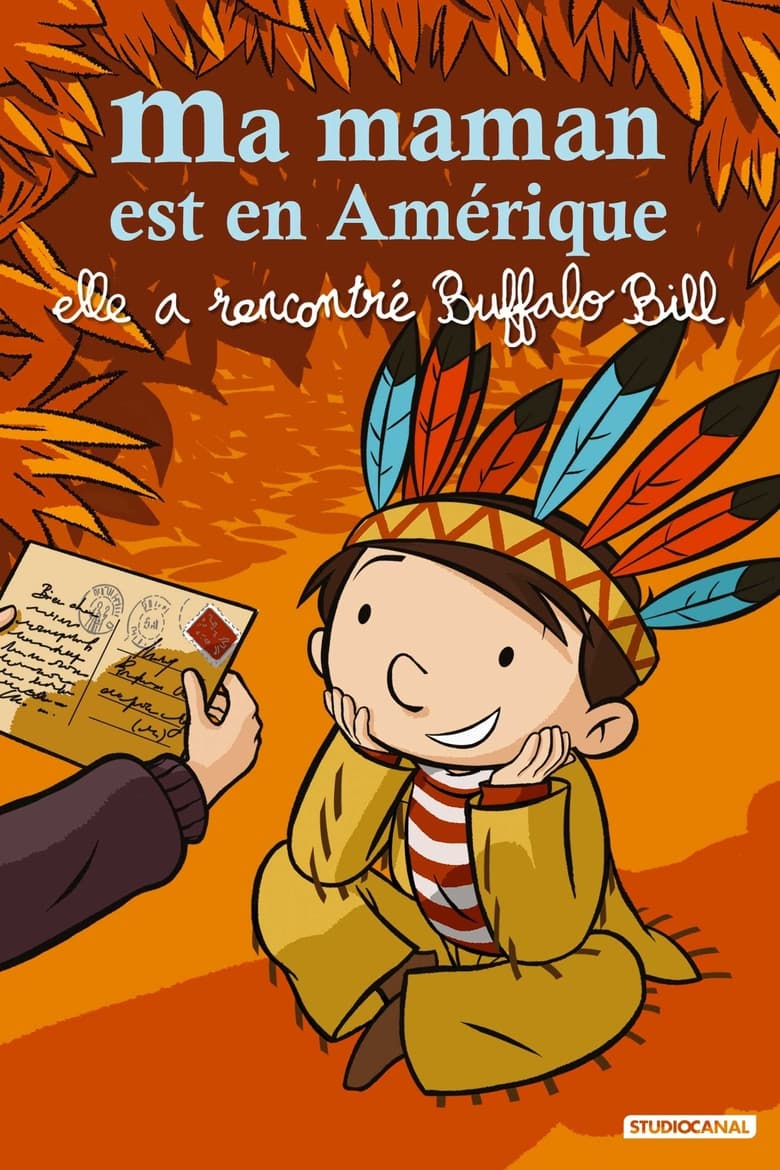
Jean’s father is always busy at work, so he spends most of his time with his nanny Yvette and neighbour Michelle. His mother is away but nobody talks about her. Luckily Michelle is on hand to read postcards about Mum’s Wild West escapades and, even though they seem far fetched at times, they keep Jean happy. At school, the steel marbles Jean takes from his father’s factory are valuable playground currency but their removal has unexpected consequences. This delightful, bittersweet animated film, based on the best-selling children’s story by Jean Regnaud and Emile Bravo, is a joyous, thought-provoking tale about childhood loss and the need even for adults to hide from the truth at times. (Source: LFF programme)
Overall Score
Fair
Category Breakdown
LGBTQ+ Representation
The film centers on a non-traditional domestic structure involving a father, a nanny, and a neighbor. While it lacks explicit depictions of queer identities, the household deviates from standard nuclear family models.
Gender Representation
Female caregivers Yvette and Michelle provide the protagonist's emotional stability. This de-centers the father, who is portrayed as a distant, work-obsessed figure rather than a traditional authority.
Racial & Ethnic Diversity
The narrative appears to focus on a localized, potentially homogeneous social setting. There is no explicit evidence of a multi-ethnic cast or diverse racial representation within the story.
Religious & Cultural Diversity
The film deconstructs traditional family units by framing the mother as a mythic, distant figure. It also offers a subtle critique of capitalist structures through the depiction of the father's factory.
Disability Representation
The story does not feature characters navigating physical, neurodivergent, or mental health challenges. No information is available regarding disability representation in this work.
Strengths
Areas for Improvement
AI Analysis
The film offers a nuanced look at modern domesticity by moving away from the idealized nuclear family. It finds strength in its portrayal of communal care and female-led emotional support systems. However, the narrative lacks overt markers of intersectional activism or explicit representation of diverse identities. The focus remains largely on internal domestic dynamics and localized social settings. Ultimately, the film succeeds in challenging traditional patriarchal roles, even if it does not provide broad-spectrum cultural or racial diversity.
2019

2010

2013

2015

1999
2022

2012

2019

2025
2022
2020
2007
No reviews yet. Be the first to share your thoughts on this movie!
Use the rating form above to leave a star rating and optional review.