The Royal Scoundrel
1991
No user ratings available yet
Diversity score: 5.0 out of 10
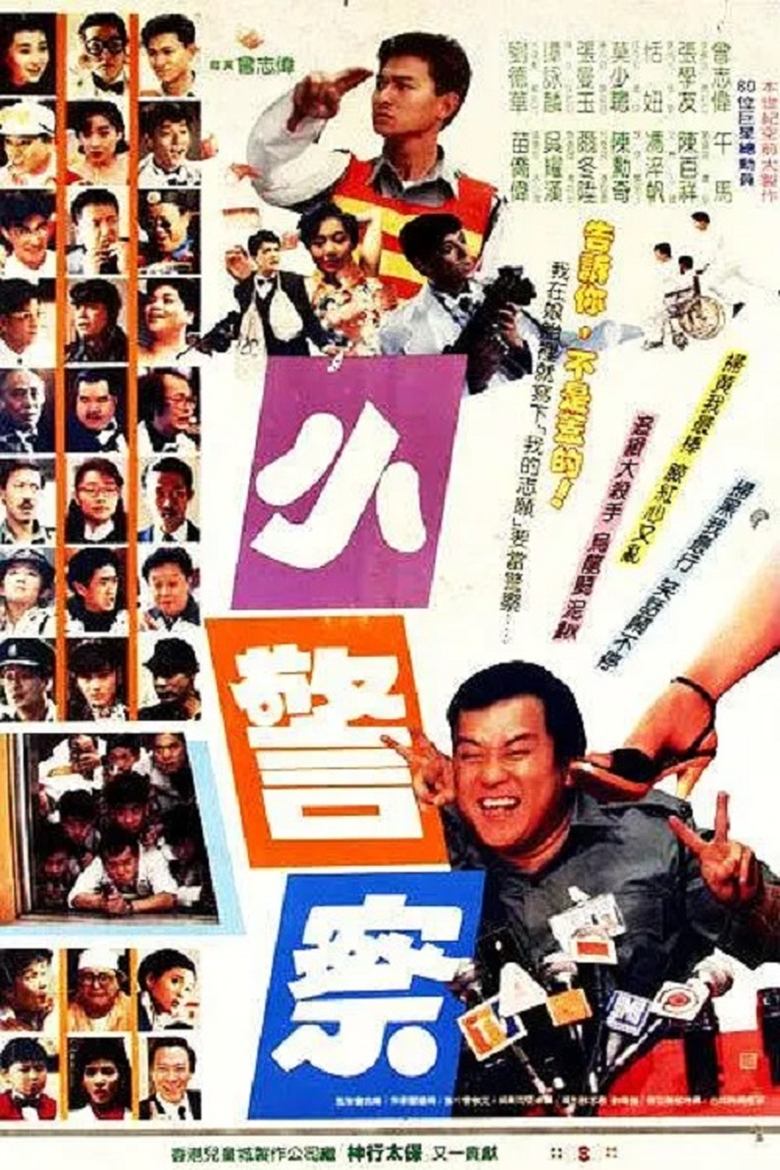
1989
Director
Eric Tsang Chi-Wai
Runtime
90 minutes
Average Rating
No ratings yetSynopsis
Ever since he was a child, Lee Chi-kin has been determined to become a police officer, despite the fact that he comes from a family of criminals. As an adult, he joins the police force, where he is first placed with the Narcotics Bureau. During a drug raid operation, he catches a drug dealer. He is later transferred, first to the Anti-Porno Bureau where he falls in love with a call girl, then to the Regional Crime Unit where he works under Inspector Chu. During a drug raid operation, Lee kills drug lord Ng Cheung. Ng's father hires a killer, Thousand Faces Man to take revenge on Lee. After several confrontations, Lee finally brings Thousand Faces Man to justice. The corrupt director of a mental hospital places Lee in the mental hospital for a year, during which time he develops mental disorders. After being discharged from the hospital, he becomes a restaurant waiter.
Overall Score
Fair
Category Breakdown
LGBTQ+ Representation
The film lacks explicit LGBTQ+ characters or narratives. The romantic subplot follows a traditional heteronormative structure centered on the protagonist and a call girl.
Gender Representation
The story centers on a male protagonist navigating various bureaucratic landscapes. Female characters appear in marginalized roles, primarily serving as emotional catalysts for the male lead.
Racial & Ethnic Diversity
The cast is predominantly Cantonese and East Asian, reflecting its Hong Kong production context. The narrative does not focus on multi-ethnic or cross-cultural intersections.
Religious & Cultural Diversity
The film offers a cynical critique of institutional authority and corruption. It deconstructs the hero archetype by exploring systemic failures within the police and medical systems.
Disability Representation
Mental health is explored through the protagonist's involuntary institutionalization and subsequent disorders. This portrayal stems from systemic corruption rather than a character-driven study of agency.
Strengths
Areas for Improvement
AI Analysis
Little Cop is a genre-driven comedy that finds depth through social cynicism rather than progressive representation. It succeeds in deconstructing the traditional hero by placing the protagonist in a cycle of institutional corruption and personal instability. While the film lacks intersectional breakthroughs regarding gender or LGBTQ+ identities, it provides a nuanced look at the fragility of social standing. The protagonist's journey from police officer to waiter highlights a postmodern view of authority and social hierarchy. Ultimately, the film's strength lies in its willingness to portray systemic failure and psychological struggle, even if these elements serve the plot's darker turns rather than providing deep character studies.
1991

2002
1993
1988
2008
1999
1990
1986

1984
2001
2020
2008
No reviews yet. Be the first to share your thoughts on this movie!
Use the rating form above to leave a star rating and optional review.