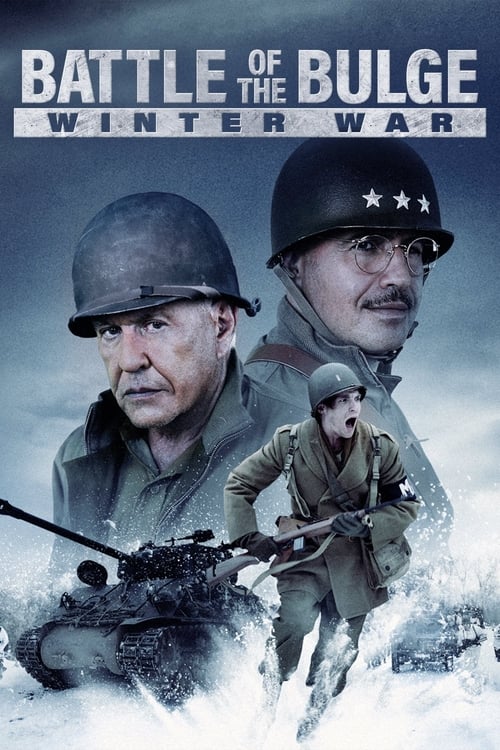
Battle of the Bulge: Winter War
2020
No user ratings available yet
Diversity score: 1.9 out of 10
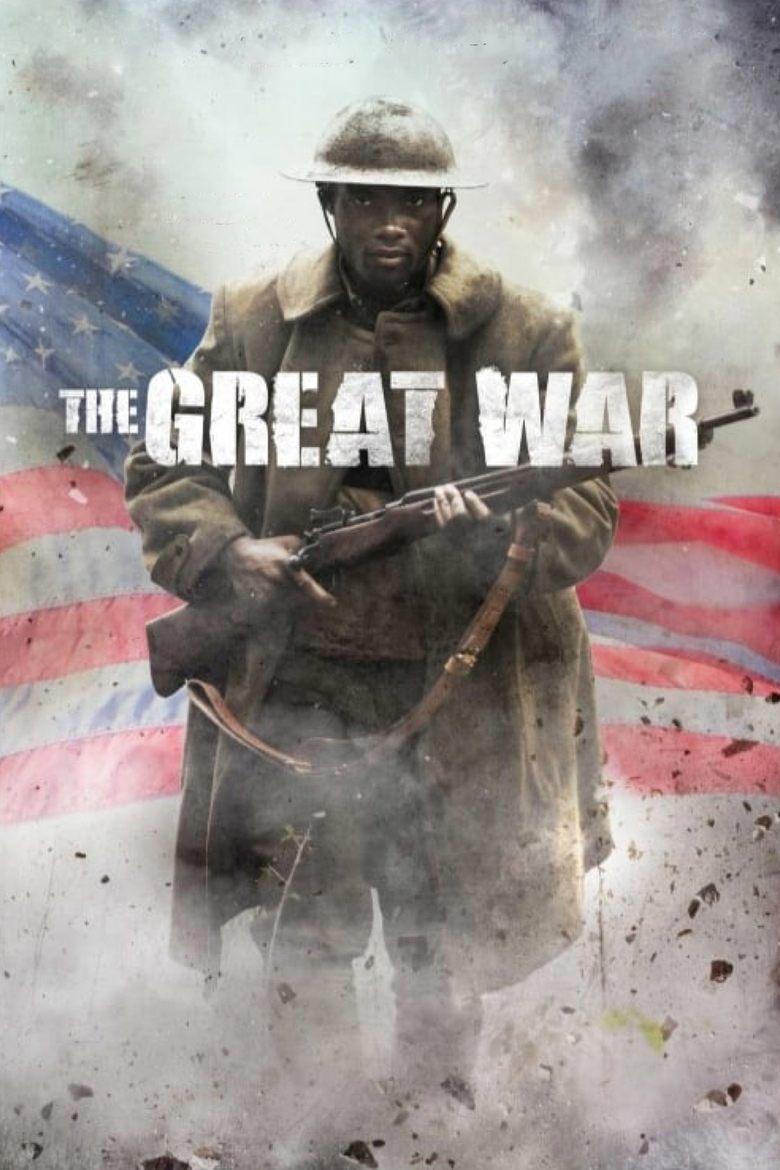
2019
RDirector
Steven Luke
Runtime
108 minutes
Average Rating
No ratings yetSynopsis
In November of 1918 as World War I was ending, a unit of American soldiers goes behind enemy lines to find a lost platoon of African American soldiers.
Overall Score
Fair
Category Breakdown
LGBTQ+ Representation
The film provides no evidence of LGBTQ+ characters or non-cisnormative identities. No information is available regarding these representations.
Gender Representation
The narrative appears to adhere to traditional masculine leadership tropes common in war dramas. There is no evidence of female characters possessing agency or subverting period-specific gender hierarchies.
Racial & Ethnic Diversity
The story centers on a mission to find a lost platoon of African American soldiers. This placement provides high-agency characters of color a central role, disrupting typical homogeneous depictions of the Great War.
Religious & Cultural Diversity
The setting engages with the systemic structures of the early 20th century. The plot may explore friction between soldiers and the military apparatus, though specific stances on religion or morality are unclear.
Disability Representation
There is no information available regarding the depiction of physical or neurodivergent disabilities within the narrative.
Strengths
Areas for Improvement
AI Analysis
The film distinguishes itself within the historical war genre by centering a mission involving an African American platoon. This choice moves characters of color from the periphery to a position of narrative importance, offering a departure from standard cinematic tropes of the era. However, the production appears to follow traditional period constraints regarding gender, focusing on a male-centric military environment without visible subversion of social hierarchies. The lack of information regarding LGBTQ+ or disability representation leaves significant gaps in the film's demographic scope. Ultimately, while the premise suggests an intentional effort to expand racial agency in historical settings, the film remains anchored in conventional masculine and institutional frameworks.
No reviews yet. Be the first to share your thoughts on this movie!
Use the rating form above to leave a star rating and optional review.