
Doctor Mordrid
1992
No user ratings available yet
Representation score: 2.0 out of 10
Representation Score
Fair
1978
TV-PGDirector
Philip DeGuere Jr.
Runtime
93 minutes
Average Rating
No ratings yetNew Showbiz Analysis
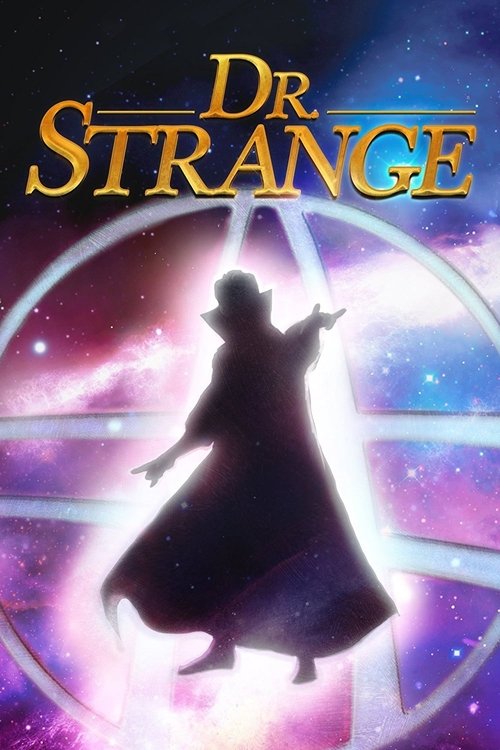
Dr. Strange (1978) operates largely within the established conventions of 1970s fantasy-adventure. The narrative structure relies on traditional hero-versus-villain clichés, which limits its multi-layered depth. The film's most notable deviation from genre norms is its gender dynamic. By positioning a female Sorceress as the central source of conflict, the film disrupts the era's typical masculine-dominated power structures. However, the production lacks verifiable evidence of racial diversity or LGBTQ representation. The reliance on Western psychological frameworks and a lack of specific character identifiers suggest a story rooted in conventional storytelling.
Category Breakdown
The film does not include explicit LGBTQ narratives or identities. The central conflict follows a traditional hero-versus-villain dynamic, offering no visible LGBTQ influence.
A female Sorceress serves as the primary antagonist, challenging traditional gender hierarchies. This shifts the mystical threat away from standard masculine archetypes common in fantasy.
No specific casting details or ethnic identifiers are provided. The focus remains on professional roles rather than the racial or ethnic backgrounds of the ensemble.
The story uses esoteric mysticism rather than specific religious frameworks. However, the protagonist's background suggests a reliance on Western psychological norms.
The protagonist's role as a psychiatrist implies a connection to mental health themes. It remains unclear if neurodivergence is treated with real depth or used as a plot device.
Present on Screen
Limited or Absent
Official Synopsis
A psychiatrist becomes the new Sorcerer Supreme of the Earth in order to battle an evil Sorceress from the past.
1992
2007
2016
1996
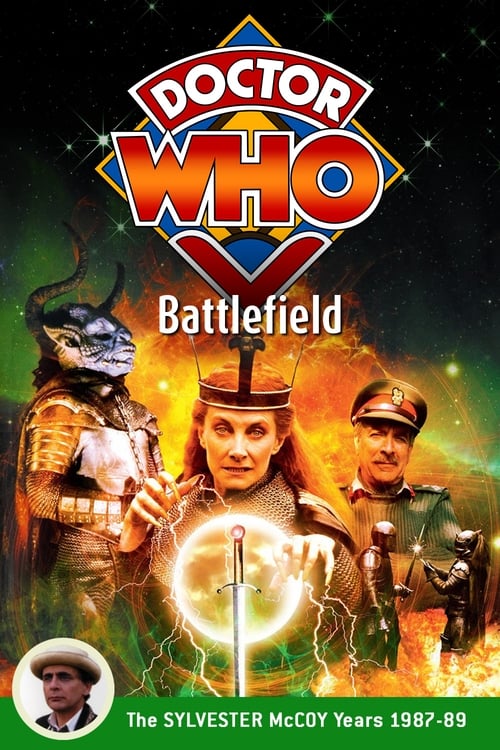
1989
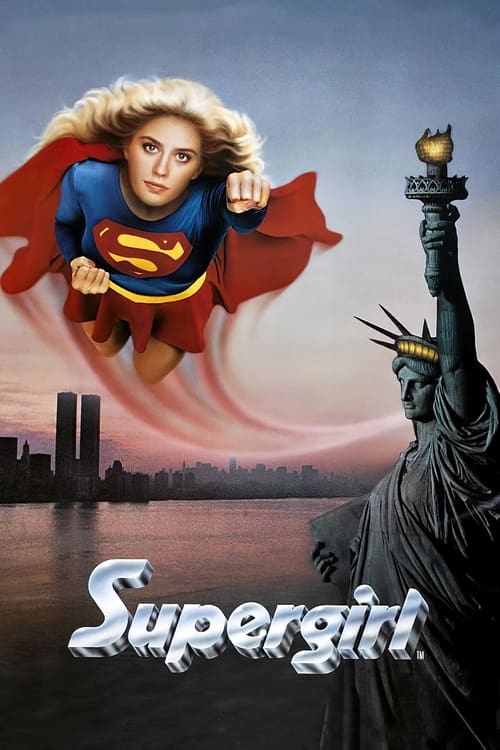
1984
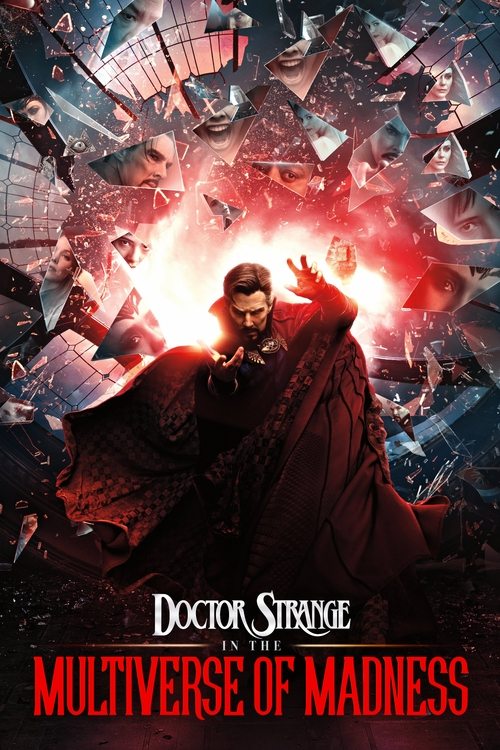
2022
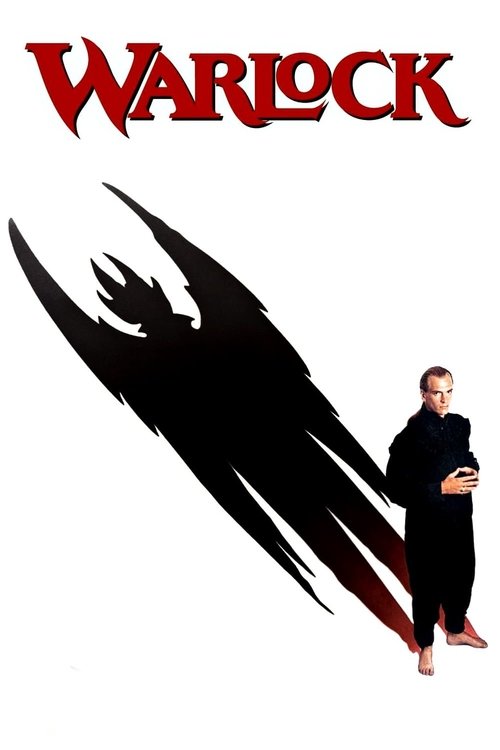
1989
No reviews yet. Be the first to share your thoughts on this movie!
Use the rating form above to leave a star rating and optional review.