The Gulls
2015
No user ratings available yet
Representation score: 5.7 out of 10
Representation Score
Fair
2013
Director
Alexandra Strelyanaya
Runtime
82 minutes
Average Rating
No ratings yetNew Showbiz Analysis
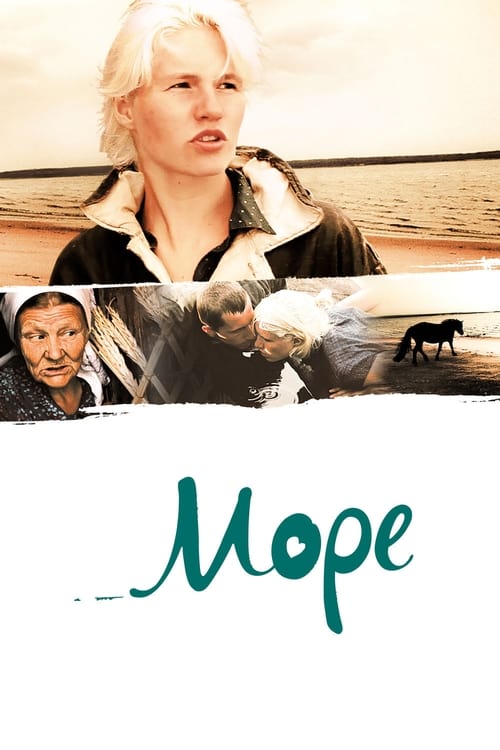
The Sea functions as a cinematic meditation on ecology and tradition rather than a study of identity politics. Its value lies in its rejection of the metropolitan gaze, choosing instead to focus on the periphery and vanishing ways of life. While the film offers a meaningful ethnographic look at regional cultures, it lacks the multi-layered character development necessary for a higher score. The narrative prioritizes environmental observation over social issues. Ultimately, the film succeeds as a poetic exploration of a specific place, even if it remains silent on broader social diversity themes.
Category Breakdown
The film does not include any visible LGBTQ+ characters or narratives. It focuses on traditional fishing communities and family structures, without exploring non-straight identities.
A female photographer serves as the main observer, but the setting centers on fishing labor traditionally dominated by men. There is little indication of challenging traditional gender roles.
The narrative explores regional identities in the Kola Peninsula, moving away from Moscow-centric norms. It emphasizes preserving local communities' ethnographic traditions without disrupting ethnic hierarchies.
The film highlights traditional, non-capitalist modes of existence. By documenting a disappearing world, it critiques modern industrial encroachment and celebrates vanishing cultural realities.
There is no documented evidence regarding the portrayal of physical or neurodivergent disabilities in this work.
Present on Screen
Limited or Absent
Official Synopsis
Weary of Moscow, a young photographer sets out for the Kola Peninsula in order to document the life of the local fishing communities whose inhabitants have lived in close proximity to the sea for centuries. The director portrays the wild beauty of this gradually disappearing world through a series of poetic images.
2015
2003
2012
2006

2018
2013

2014
2010
No reviews yet. Be the first to share your thoughts on this movie!
Use the rating form above to leave a star rating and optional review.