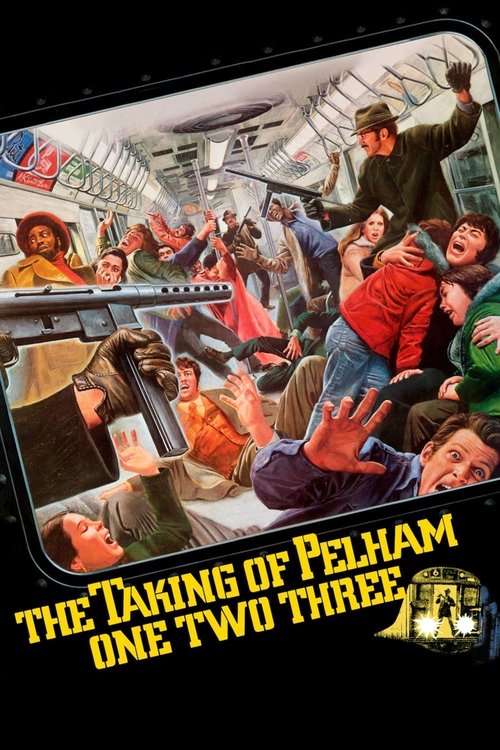
The Taking of Pelham One Two Three
1974
No user ratings available yet
Representation score: 3.4 out of 10
Representation Score
Limited
1998
TV-14Director
Félix Alcalá
Runtime
100 minutes
Average Rating
No ratings yetNew Showbiz Analysis
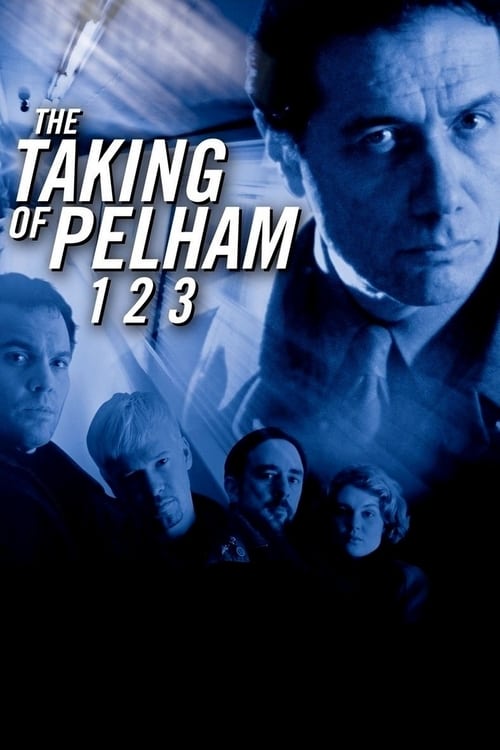
The film follows traditional crime thriller conventions, focusing on the high-stakes tension of a subway hijacking. While it avoids many progressive narrative arcs, it does not rely entirely on homogeneous casting. The inclusion of Edward James Olmos in a top-billed role is the film's strongest diversity asset. His presence offers a meaningful departure from standard genre clichés regarding racial representation in authority roles. Ultimately, the production lacks multi-layered complexity. It functions as a standard procedural that focuses on urban conflict rather than deconstructing social hierarchies or addressing underrepresented identities.
Category Breakdown
The subway hijacking storyline does not include any visible LGBTQ+ characters or storylines that challenge assumptions about straight relationships.
Actresses like Lorraine Bracco and Lisa Vidal are part of the cast. However, the crime thriller genre often centers authority within traditional male-dominated structures.
Edward James Olmos's central role provides a significant boost to diversity. His presence disrupts conventional expectations of authority in urban crime dramas.
The film emphasizes law enforcement and institutional stability. It does not explicitly critique Western social structures or anti-institutional themes.
The story focuses on the hostage and hijacker dynamic. There are no characters with physical or neurodivergent disabilities.
Present on Screen
Limited or Absent
Official Synopsis
In New York, armed men hijack a subway car and demand a ransom for the passengers. Even if it's paid, how could they get away?
1974

1996

1997

2009

1992
No reviews yet. Be the first to share your thoughts on this movie!
Use the rating form above to leave a star rating and optional review.