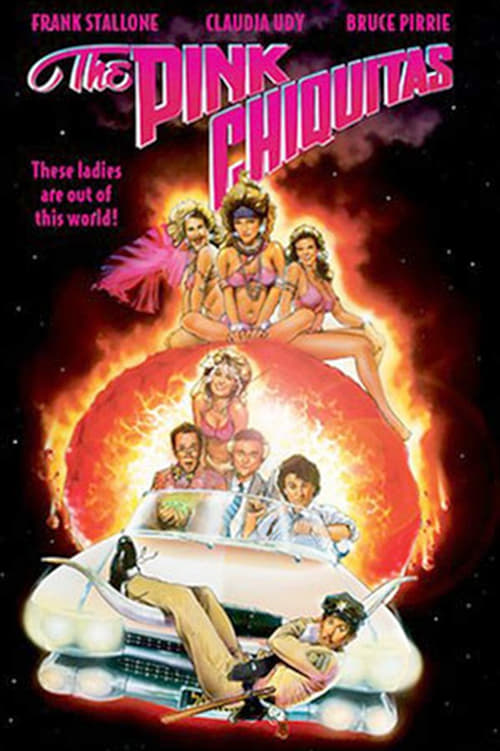
The Pink Chiquitas
1987
No user ratings available yet
Diversity score: 3.0 out of 10
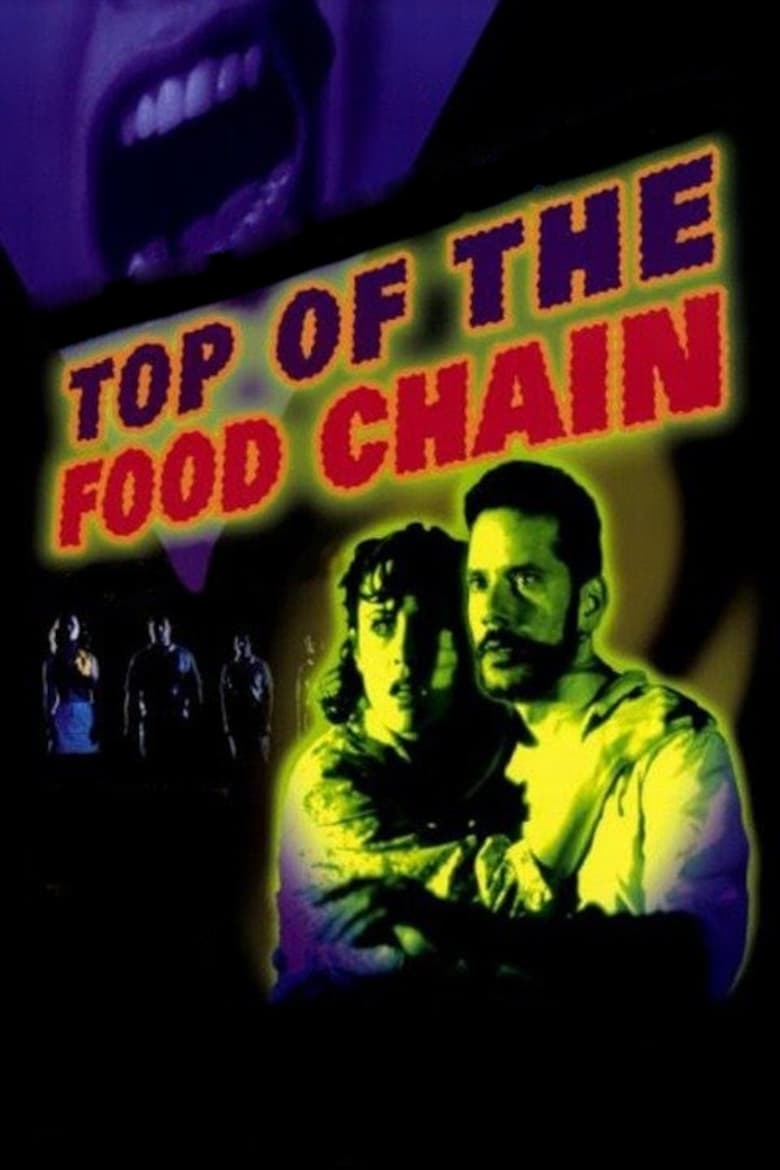
1999
PG-13Director
John Paizs
Runtime
99 minutes
Average Rating
No ratings yetSynopsis
An isolated Canadian town (populated by the weirdest group of people this side of Saturn) has seen its share of problems. First the nut factory closed, then the CATV antenna stopped broadcasting, and now something is gruesomely devouring the townsfolk! Can visiting atomic scientist (and expert on "cool fusion") Dr. Karel Lamonte solve the mystery before everyone disappears?
Overall Score
Fair
Category Breakdown
LGBTQ+ Representation
The film lacks explicit mention of queer identities or non-heteronormative relationships. The narrative focus remains strictly on a sci-fi horror mystery involving an atomic scientist and a predatory threat.
Gender Representation
The story centers on Dr. Karel Lamonte, a specialized scientist driving the mystery. While this suggests intellectual agency, there is no evidence of nuanced female-led dynamics or subverted gender hierarchies.
Racial & Ethnic Diversity
The setting is an isolated Canadian town with a 'weird' demographic. However, there is no evidence of high-agency characters of color or intentional race-bending within the provided context.
Religious & Cultural Diversity
The film embraces social eccentricity and critiques small-town stability. Its focus on scientific inquiry over traditional religious morality suggests a move toward more secular or subjective narrative structures.
Disability Representation
There is no evidence of characters with visible or invisible disabilities. The plot focuses on an external threat and scientific investigation rather than neurodivergent or physical disability representation.
Strengths
Areas for Improvement
AI Analysis
Top of the Food Chain operates as a genre-driven independent science fiction piece. It prioritizes a DIY, surrealist aesthetic that leans into genre deconstruction rather than mainstream commercial tropes. The film lacks explicit intersectional markers, focusing instead on a cosmic threat and a scientific mystery. While it avoids traditional religious morality, it does not provide clear evidence of diverse social representation. Ultimately, the work seems to favor idiosyncratic character studies and 'weird' storytelling over the inclusion of specific, visible identity markers.
1987

1989
2002
1994

1988

2004
2012
2020
1992
1994
2009
No reviews yet. Be the first to share your thoughts on this movie!
Use the rating form above to leave a star rating and optional review.