
Bedouin
2011
No user ratings available yet
Diversity score: 6.5 out of 10
2026
Director
Nawell Madani, Ludovic Colbeau-Justin
Runtime
102 minutes
Average Rating
No ratings yetSynopsis
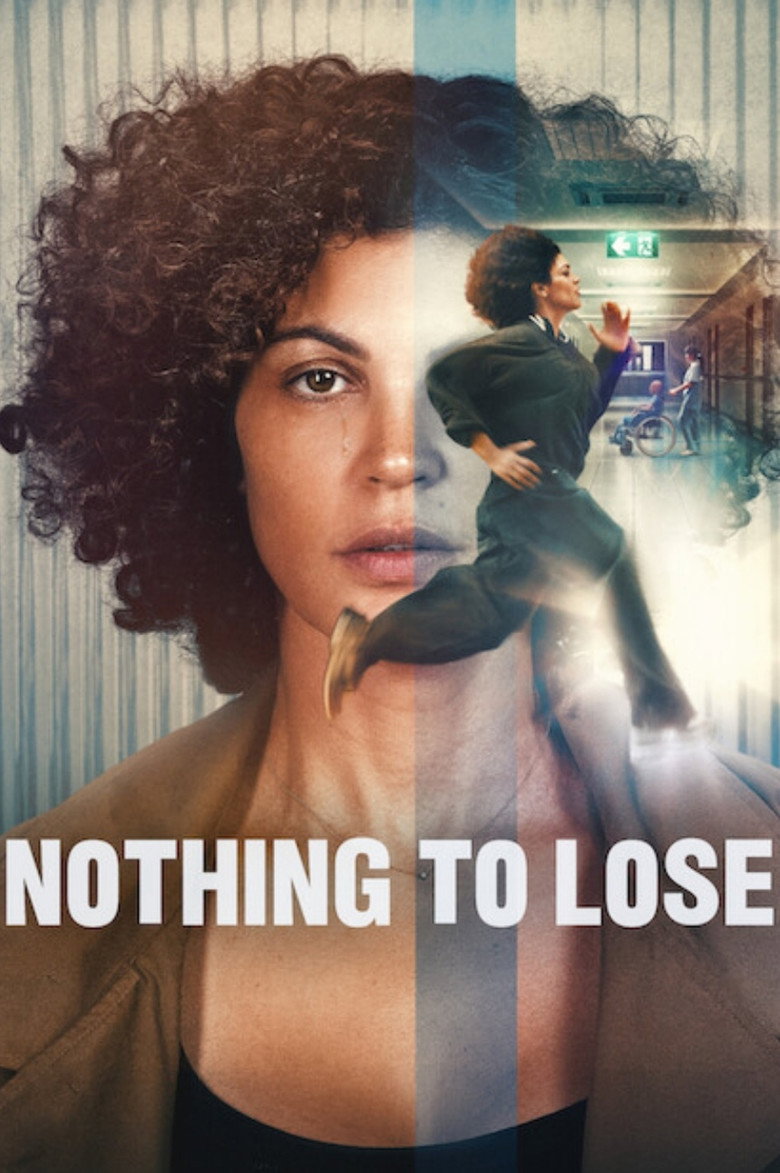
She gave everything to become a mother, so when her young son falls ill, Jada will stop at nothing to find a donor and save him — no matter the cost.
Overall Score
Good
Category Breakdown
LGBTQ+ Representation
The film lacks explicit evidence of LGBTQ+ character arcs or non-heteronormative identities. The narrative focus remains on maternal instinct and a medical crisis, suggesting a traditional familial core.
Gender Representation
Jada serves as a high-agency protagonist who disrupts traditional masculine leadership tropes. Her refusal to be a passive recipient of fate highlights a subversion of submissive feminine archetypes.
Racial & Ethnic Diversity
The production features a multicultural cast, including Aissatou Diallo Sagna and Manmathan Basky. This ensemble reflects an intersectional social landscape rather than a homogeneous casting norm.
Religious & Cultural Diversity
The story critiques systemic frameworks by portraying institutions as obstacles to survival. This framing prioritizes individual necessity and situational ethics over rigid adherence to legal or social orders.
Disability Representation
The plot centers on a child's illness, but it is unclear if the condition is treated with character-driven agency. The role of neurodivergent or physically disabled characters remains undefined.
Strengths
Areas for Improvement
AI Analysis
Nothing to Lose presents a compelling portrait of maternal agency set against a backdrop of systemic failure. The film's strength lies in its refusal to rely on white-normative casting, instead utilizing a diverse ensemble to ground its social drama. By centering Jada's desperate quest for a medical donor, the narrative shifts the focus from passive suffering to active, high-stakes resistance. However, the film's commitment to queer or neurodivergent representation is not immediately apparent. While the racial and gender dynamics are robust, the narrative's reliance on a traditional family structure may limit its scope of inclusivity. The medical crisis serves as a powerful engine for the plot, but its depth as a representation of disability is yet to be seen. Ultimately, the film succeeds as a social critique that challenges institutional stability through the lens of a multicultural, female-led struggle.
2011

2020

2013

2016

2013

2017

2003
No reviews yet. Be the first to share your thoughts on this movie!
Use the rating form above to leave a star rating and optional review.