OLIVIA RODRIGO: driving home 2 u (a SOUR film)
2022
No user ratings available yet
Representation score: 8.4 out of 10
Representation Score
Excellent
2018
Director
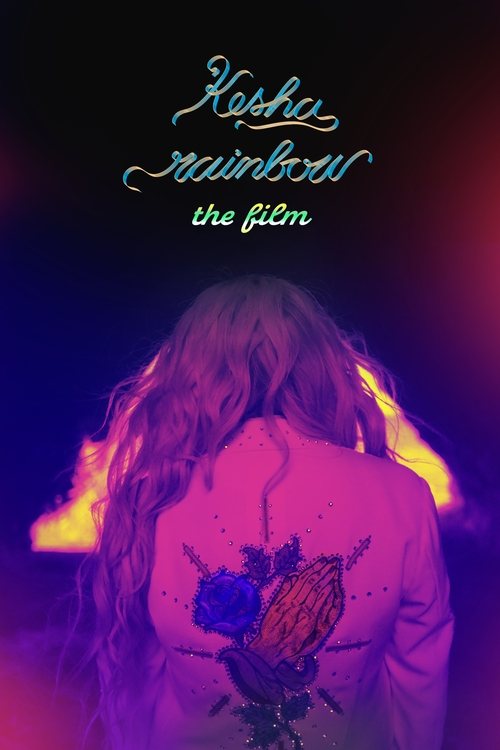
Kesha, Lagan Sebert
Runtime
31 minutes
Average Rating
No ratings yetNew Showbiz Analysis
Kesha: Rainbow - The Film offers a powerful deconstruction of the pop star archetype. It replaces the polished, perfect icon with a complex portrait of human vulnerability and psychological depth. The documentary's greatest strength lies in its focus on mental health, presenting neurodivergence and invisible disabilities as central to the narrative. This approach grants these struggles a significant role in driving the story and authenticity. Despite being a focused personal portrait, the film maintains a progressive perspective through its emphasis on female autonomy and cross-cultural musical collaboration.
Category Breakdown
The film uses elements from the Rainbow era to acknowledge queer identity and experiences. Although it doesn't have specific LGBTQ+ plotlines, it promotes an environment of radical acceptance and non-traditional self-expression.
The narrative challenges traditional gender roles by focusing on a female artist’s emotional autonomy. It avoids the male gaze and emphasizes her creative intellect and self-governance through her songwriting.
The film showcases collaborative musical efforts with diverse artists such as the Dap-Kings and Sandra Williams. This inclusion highlights a narrative that values cross-cultural artistic exchange.
The film prioritizes personal morality and resilience over religious doctrine. It frames recovery through personal songwriting and self-discovery rather than traditional institutional or familial support systems.
The film excels in depicting invisible disabilities like depression and eating disorders. These conditions are presented as central, lived realities rather than mere plot devices or sources of ridicule.
Present on Screen
Limited or Absent
Official Synopsis
In this moving short film, pop superstar Kesha shares the vision behind her 2017 album, Rainbow. An intimate portrait of her songwriting process and personal struggles—depression, insomnia, and an eating disorder—the piece follows her journey from hospitals and rehab to a triumphant performance of “Praying” at the 2018 GRAMMY® awards. “It’s called Rainbow because after the storm, there’s a rainbow,” she says in the film. “I wrote it as a message to myself that I could make it through.” The film includes music video clips, live performances, and footage of the singer writing and recording with Ben Folds, the Dap-Kings, and Sandra Williams.
2022
2018
2008
2022

2021
2021

2011
2020
No reviews yet. Be the first to share your thoughts on this movie!
Use the rating form above to leave a star rating and optional review.