
Visiting the Minotaur
1987
No user ratings available yet
Representation score: 2.3 out of 10
Representation Score
Good
1998
RDirector
François Girard
Runtime
130 minutes
Average Rating
No ratings yetNew Showbiz Analysis
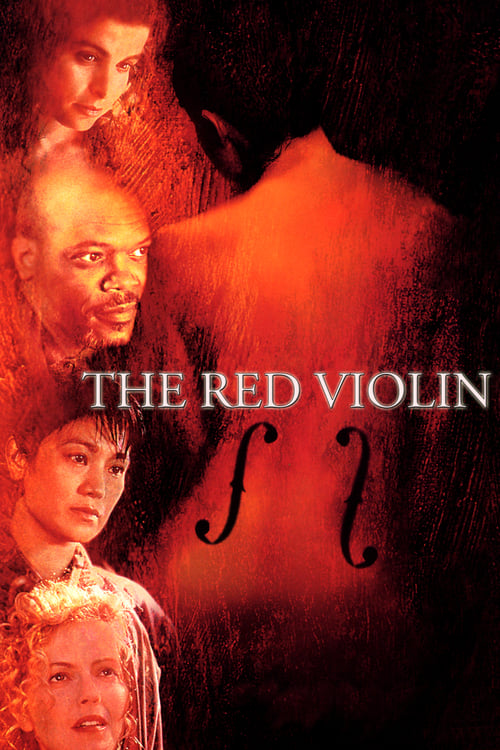
The Red Violin is a sophisticated, non-linear drama that emphasizes thematic connections over traditional hero arcs. It uses a broad historical scope to explore how a single object influences human obsession across centuries. While the film excels at challenging storytelling conventions and exploring moral ambiguity, it remains constrained by its historical context. It does not actively center modern identity politics, often reflecting the patriarchal and straight-centered norms of its settings. Ultimately, the film offers a nuanced look at the subjective nature of history. It succeeds as an intellectual exercise in postmodern cinema, even though it lacks specific representation for underrepresented identities.
Category Breakdown
The film does not include explicit LGBTQ+ narratives or characters with non-binary gender identities. The portrayal of passion and obsession is confined within the heterosexual norms of their respective time periods.
Women are given substantial roles, especially through the struggles of 19th-century musicians. The film critiques historical gender hierarchies but stays within the patriarchal norms of its time.
The story covers locations such as Italy, Austria, England, China, and Canada. Though primarily Eurocentric, the inclusion of a Chinese storyline adds a layer of diversity beyond a purely Anglo-Saxon perspective.
The film examines moral relativism and the complexities of historical institutions like the Catholic Church. It avoids simplistic reverence and focuses on how systems interact with personal desires.
The film does not feature central depictions of visible or invisible disabilities. Psychological conditions like madness are presented as thematic elements rather than detailed explorations of neurodivergence.
Present on Screen
Limited or Absent
Official Synopsis
300 years of a remarkable musical instrument. Crafted by the Italian master Bussotti (Cecchi) in 1681, the red violin has traveled through Austria, England, China, and Canada, leaving both beauty and tragedy in its wake. In Montreal, Samuel L Jackson plays an appraiser going over its complex history.
1987
1991

1993

1992
2013
1986
1988
1998
No reviews yet. Be the first to share your thoughts on this movie!
Use the rating form above to leave a star rating and optional review.