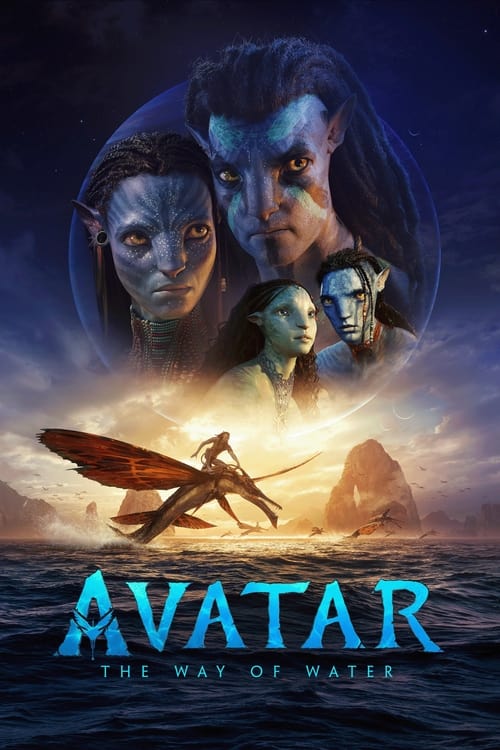
Avatar: The Way of Water
2022
No user ratings available yet
Representation score: 7.7 out of 10
Representation Score
Excellent
2025
PG-13Director
James Cameron
Runtime
198 minutes
Average Rating
No ratings yetNew Showbiz Analysis
James Cameron crafts a survival epic where ecological and cultural preservation take precedence over traditional heroic narratives. By positioning Indigenous frameworks as the moral baseline and corporate expansion as the antagonist, he inverts colonial power dynamics. Female characters drive both strategic and emotional plot points, shifting the traditional action template towards communal resilience. Medical conditions are active plot drivers rather than mere character traits. Characters must continually adapt to environmental and biological constraints, making the stakes more tangible. This approach enhances the thematic weight of the conflict beyond simple territorial disputes. The film’s strongest point is its clear allegorical critique of historical exploitation through worldbuilding. However, it lacks exploration of non-traditional relationship models and specific neurodivergence details.
Category Breakdown
The story focuses on a traditional family structure centered around Jake, Neytiri, and their children. There are no characters with non-binary gender identities or same-sex relationships in the main plot or relationships.
Women play key roles that drive the story forward. Neytiri combines warrior skills with emotional leadership, while Varang leads the opposing clan with strategic ruthlessness. Female characters consistently shape the narrative direction.
The film features a diverse cast representing various ethnicities, moving beyond typical Anglo-centric casting. The Na'vi are portrayed as an allegory for Indigenous resistance, serving as the moral center of the story.
The story critiques Western corporate militarism, presenting resource extraction as an oppressive force. It emphasizes ecological interdependence and communal responsibility over capitalist expansion, highlighting underrepresented spiritual frameworks and collective survival.
Characters with medical needs are integral to the plot, such as Spider’s breathing apparatus and Kiri’s neurological issues. These conditions require ongoing adaptation and community support, playing a crucial role in the broader conflict.
Present on Screen
Limited or Absent
Official Synopsis
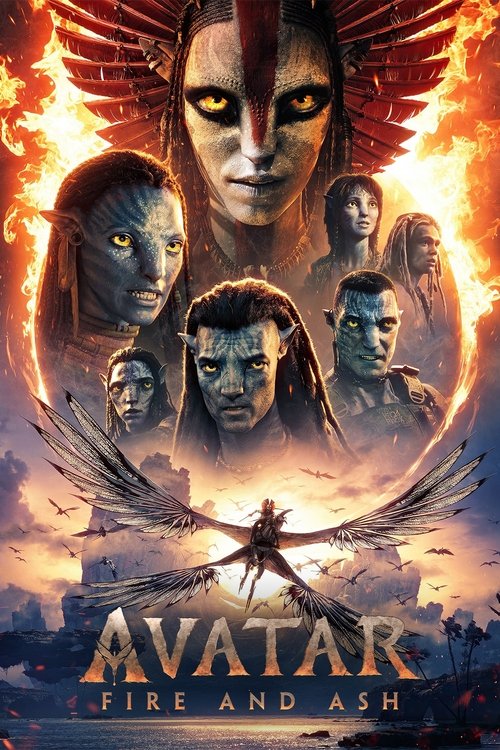
In the wake of the devastating war against the RDA and the loss of their eldest son, Jake Sully and Neytiri face a new threat on Pandora: the Ash People, a violent and power-hungry Na'vi tribe led by the ruthless Varang. Jake's family must fight for their survival and the future of Pandora in a conflict that pushes them to their emotional and physical limits.
2022

2012
2024
2024
2024

2025

2025
2026
No reviews yet. Be the first to share your thoughts on this movie!
Use the rating form above to leave a star rating and optional review.