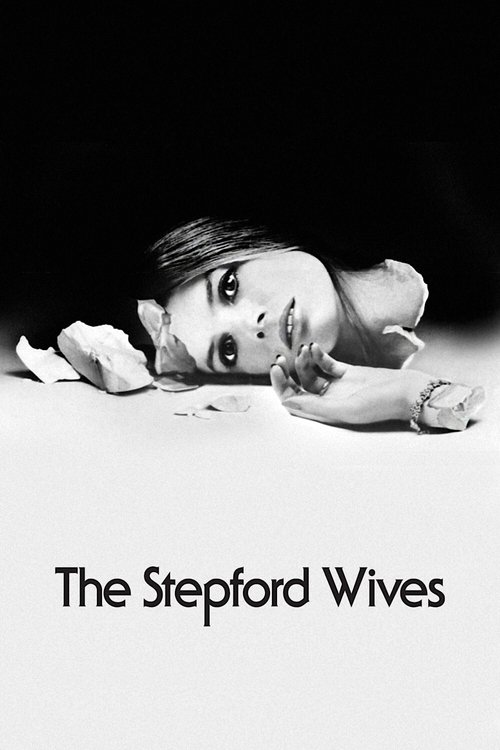
The Stepford Wives
1975
No user ratings available yet
Representation score: 3.1 out of 10

Representation Score
Limited
1987
Director
Alan J. Levi
Runtime
96 minutes
Average Rating
No ratings yetNew Showbiz Analysis
The film expands on themes of the erosion of individual autonomy. It explores the tension between dysfunctional families and an artificial, technologically imposed social order. While female characters resist patriarchal control, the narrative remains rooted in a conventional social framework. The story critiques rigid social conditioning but does so within a limited demographic context, adhering to typical late-20th-century American genre clichés.
Category Breakdown
The film focuses on a traditional nuclear family structure. There are no representations of LGBTQ+ identities or narratives that challenge traditional social norms.
A men's club enforces submissive behavior among women. Female characters fight for autonomy, but the conflict is driven by a patriarchal hierarchy.
The story depicts a homogeneous Western community. There are no indications of racial diversity or non-white characters.
The narrative criticizes extreme social conformity and the idealized 'perfect' family. It uses horror to highlight the dangers of coerced domesticity and lost autonomy.
The film contains no characters with visible or invisible disabilities. Disability is not used as a narrative device.
Present on Screen
Limited or Absent
Official Synopsis
Steven and Laura Harding, along with their kids David and Mary, have moved to the quiet community of Stepford. Steven joins the men's club, which is still assimilating their wives into robots. This time, they have begun to turn their out of control teens into robots as well. Once they are assimilated, they are obedient, homework loving, big band dancing droids. Laura, David, and Mary stumble onto this mystery, and they must avoid Steven's plans to turn them into robots.
1975

1960

2004

1993
1980

1977

1996
1956
No reviews yet. Be the first to share your thoughts on this movie!
Use the rating form above to leave a star rating and optional review.