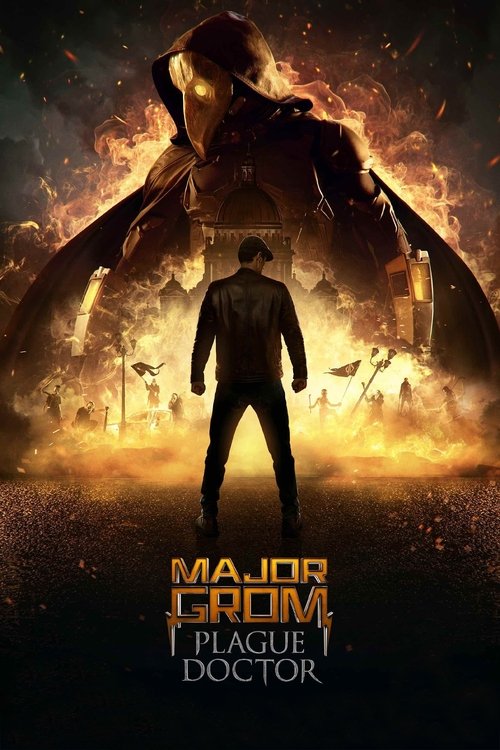
Major Grom: Plague Doctor
2021
No user ratings available yet
Representation score: 5.0 out of 10

Representation Score
Fair
2024
TV-MADirector
Oleg Trofim
Runtime
166 minutes
Average Rating
No ratings yetNew Showbiz Analysis
Major Grom: The Game operates within a traditional framework, focusing on a hero defined by strength and integrity. The narrative structure relies on established archetypes and a central heterosexual romance, limiting its depth in reflecting multiple aspects of identity. While the film offers a sophisticated critique of systemic order and the vulnerability of state institutions, it does not actively challenge demographic norms. The setting and character dynamics remain largely consistent with conventional regional patterns. Ultimately, the film prioritizes psychological complexity and moral relativism over diverse social representation, resulting in a story that feels culturally specific but demographically narrow.
Category Breakdown
The story focuses on a heterosexual relationship between Igor Grom and Yulia Pchelkina. There is no indication of LGBTQ themes or non-binary gender identities.
The film balances male-dominated professions with a strong female presence through Yulia Pchelkina. While the male protagonist adheres to traditional masculine roles, the female lead plays a central role in the narrative.
The cast appears relatively uniform, reflecting the specific regional context of St. Petersburg. There is no evidence of a multi-ethnic or diverse casting approach.
The plot explores systemic failures through a villain who challenges state institutions. This setup creates a moral complexity that blurs the lines between law enforcement and criminality.
The narrative contains no mention of characters navigating physical, mental health, or neurodivergent conditions. No representation in this area is present.
Present on Screen
Limited or Absent
Official Synopsis
Police Major Igor Grom is known throughout St. Petersburg for his punchy character and uncompromising attitude towards criminals of all stripes. Incredible strength, analytical mindset and integrity — all this makes Major Thunder a real superhero. His life is perfect: during the day he catches criminals with his partner Dima Dubin, and spends the evenings in the company of journalist Yulia Pchelkina. The complete idyll is interrupted by the appearance in the city of a mysterious villain calling himself a Ghost. He offers Thunder to play a dangerous game, the stake in which is the lives of ordinary people.
2021

2008
2022
2017
No reviews yet. Be the first to share your thoughts on this movie!
Use the rating form above to leave a star rating and optional review.