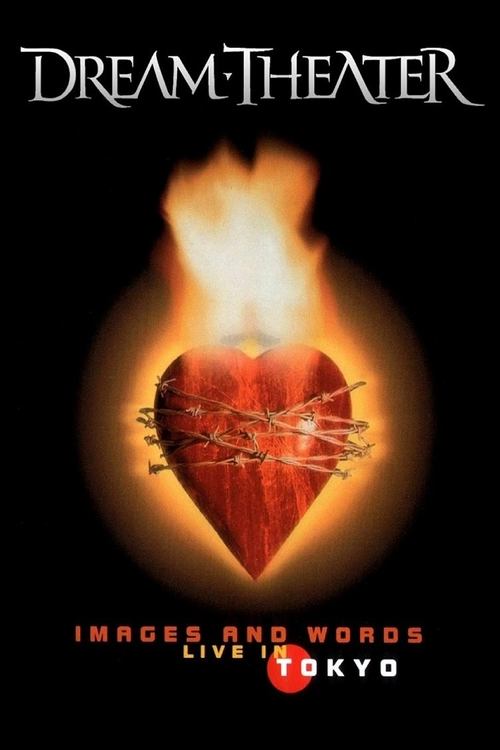
Dream Theater: Images And Words - Live In Tokyo
1993
No user ratings available yet
Representation score: 0.6 out of 10
Representation Score
Minimal
2004
PG-13Director
Yuji Morihara, Mike Portnoy
Runtime
172 minutes
Average Rating
No ratings yetNew Showbiz Analysis
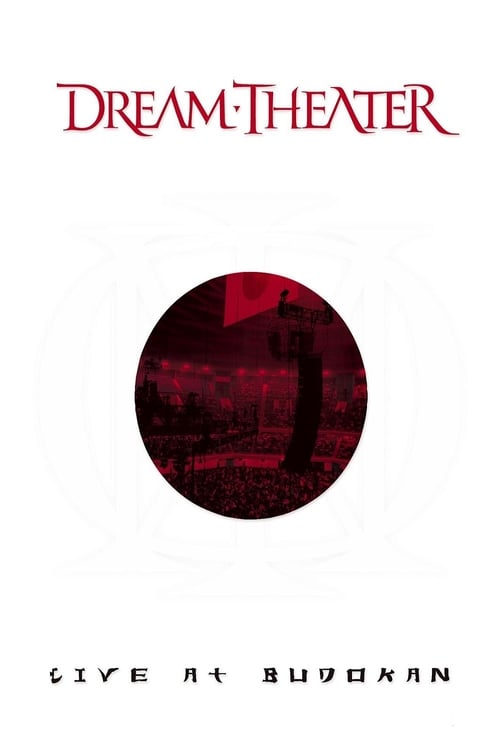
Dream Theater: Live at Budokan is a specialized musical documentary that prioritizes technical virtuosity over social commentary. Since the film captures a specific ensemble in a live setting, it lacks the narrative structure to explore identity or diverse representation. The production is characterized by a homogeneous presentation of the progressive metal genre, focusing entirely on the instrumental mastery of the band members. Ultimately, the film serves as a professional musical exhibition, adhering to traditional concert film structures without attempting to challenge social hierarchies or include diverse identities.
Category Breakdown
The film does not address sexual orientation or include any LGBTQ+ characters.
The performance features an all-male ensemble, emphasizing a traditional and homogeneous presentation of the progressive metal genre.
The main subjects are white males, and the film focuses on the Western musical group despite the Tokyo setting providing a cross-cultural backdrop.
The film celebrates technical skill within the progressive metal subculture without engaging with themes of secularism or critiques of Western institutions.
There are no depictions of individuals with physical, neurodivergent, or sensory disabilities in the film.
Present on Screen
Limited or Absent
Official Synopsis
Live at Budokan is a live recording released by progressive metal band Dream Theater on October 5, 2004, available on either 3 CDs or 2 DVDs. It was recorded at the Nippon Budokan Hall on April 26, 2004 in Tokyo, Japan.
1993
2001

2018
2008
2010
2003
2006
2008
No reviews yet. Be the first to share your thoughts on this movie!
Use the rating form above to leave a star rating and optional review.