
SEXTA-FEIRA PRIMEIRA (HAHAHAHA)
2024
No user ratings available yet
Representation score: 7.5 out of 10

Representation Score
Good
2007
Director
Juliana Rojas, Marco Dutra
Runtime
15 minutes
Average Rating
No ratings yetNew Showbiz Analysis
The film uses body horror to explore inner thoughts and the breakdown of home life stability. By focusing on a surreal biological change, the movie shifts away from typical genre clichés toward a more symbolic look at the human body. The film gains strength from being part of the 'New Brazilian Horror' movement, challenging the dominance of Western cinema. By centering on Clarisse's experience, it explores female independence through bodily changes. However, the absence of specific information about character development and casting limits a deeper look at how different parts of someone's identity overlap.
Category Breakdown
The film's surrealist narrative may offer a chance to explore identity fluidity. However, there is no clear evidence of queer identities or relationships that aren't straight.
The story focuses on Clarisse, providing a strong female perspective. This highlights a move away from traditional domestic roles, emphasizing physical and mental independence.
As a Brazilian production, the film breaks from Hollywood's usual stories. It adds to a non-Western cinematic scene, though we don't know the exact racial makeup of the cast.
The narrative questions normal social and biological rules through a focus on a biological oddity. This challenges the idea of what is natural through disturbing visuals.
The central physical anomaly serves as a symbol for altered physical states. Whether this condition is shown as meaningful or just as a spectacle affects the film's message.
Present on Screen
Limited or Absent
Official Synopsis
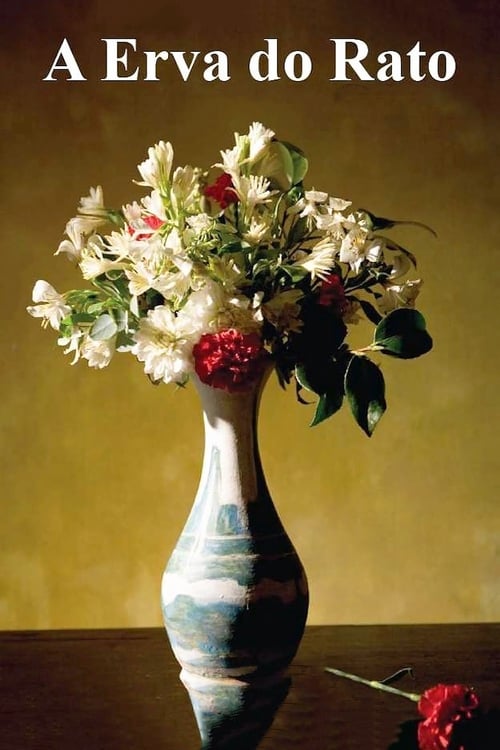
Clarisse notices a small green leaf growing out of her right arm.
2024
2017

2012

2015
2009

2000
2009

1997
No reviews yet. Be the first to share your thoughts on this movie!
Use the rating form above to leave a star rating and optional review.