
Parallax
2023
No user ratings available yet
Representation score: 8.2 out of 10
Representation Score
Limited
2018
TV-14Director
Steffen Hacker
Runtime
88 minutes
Average Rating
No ratings yetNew Showbiz Analysis
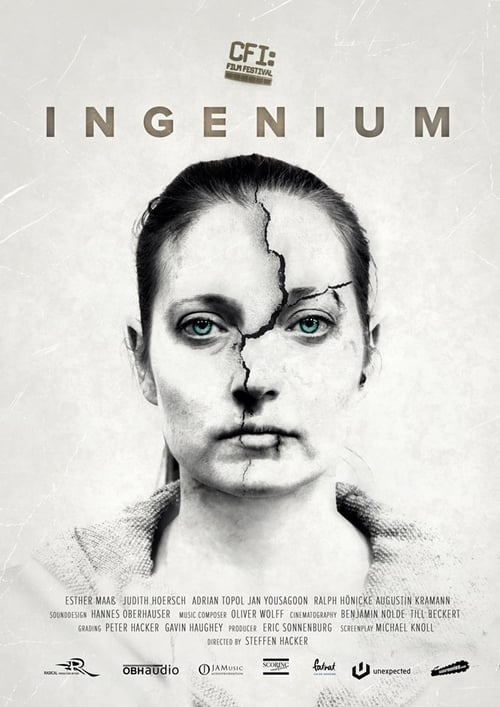
Ingenium centers its narrative on female protagonists, Felicitas and Natascha, which provides a departure from traditional male-dominated sci-fi clichés. This focus on women's ability to drive the story is the film's primary strength in terms of representation. However, the film lacks visible complexity in representing various aspects of identity. There is no evidence of diverse racial casting or explicit LGBTQ+ identities within the provided narrative framework. The focus remains narrow, centered on a psychological thriller plot. While the themes of institutionalization offer a window into mental health discussions, the lack of specific detail makes it difficult to determine if these elements are handled with nuance or merely as genre clichés.
Category Breakdown
The film does not provide any direct information about sexual orientation or non-cisgender identities. The main relationship is a friendship, so there is no data on queer representation.
The story focuses on women's roles, with Felicitas and Natascha as the main characters. It shifts away from male-centric narratives, but it is unclear if it challenges traditional gender clichés.
There is no information available about the racial or ethnic makeup of the cast. Therefore, the film's approach to racial diversity cannot be evaluated.
The narrative explores psychological instability and the corruption of truth. The asylum setting allows for a critique of institutional power and perceived reality.
Natascha’s institutionalization introduces themes of mental health. However, it is unclear if her condition is portrayed with real influence or simply as a plot device.
Present on Screen
Limited or Absent
Official Synopsis
As Felicitas' life is turned upside down, she doesn't know if her nightmares are taking over or if something bigger is trying to control her - and the only way to find out the truth is her best friend Natascha who is locked up in an asylum.
2023
2021
2017

2014

2021

2011
2020
2019
No reviews yet. Be the first to share your thoughts on this movie!
Use the rating form above to leave a star rating and optional review.