Penn & Teller's Invisible Thread
1987
No user ratings available yet
Representation score: 4.1 out of 10
Representation Score
Good
1985
Director
Annabel Jankel, Rocky Morton
Runtime
57 minutes
Average Rating
No ratings yetNew Showbiz Analysis
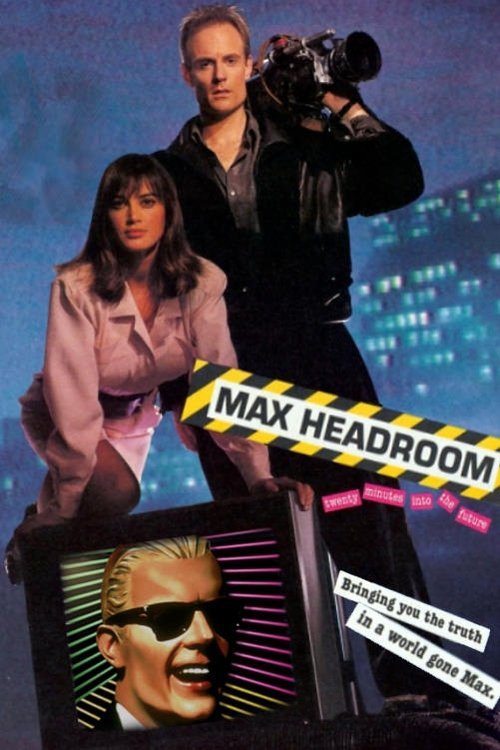
Max Headroom: 20 Minutes into the Future is a postmodern critique of media saturation that prioritizes systemic themes over demographic diversity. While it excels in its cultural commentary regarding corporate corruption and the commodification of experience, it remains tethered to the conventional casting and narrative structures of mid-80s genre television. The film's strength lies in its intellectual engagement with power dynamics and the breakdown of social order. However, this thematic depth does not translate into a diverse cast, as the production lacks significant representation across gender, race, and LGBTQ+ identities. Ultimately, the work is a study of technological alienation and institutional distrust. It offers a progressive worldview regarding media ethics but fails to challenge traditional demographic hierarchies.
Category Breakdown
The film lacks explicit queer narratives or characters centered on non-straight relationships. While the hyper-real setting destabilizes traditional identity, there is no overt representation of same-sex intimacy.
The story centers on a male protagonist navigating a cynical media landscape. It follows conventional science fiction clichés and does not provide strong female leads to challenge masculine leadership roles.
The narrative focuses on class-based friction within a stratified urban landscape. It lacks significant racial blending or characters of color possessing central roles in the story.
The film offers a sophisticated critique of predatory media conglomerates and capitalist dominance. It portrays corporate interests as oppressive forces that have superseded traditional governance and social order.
Characters with visible or invisible disabilities are not portrayed with real power. The focus remains on technological dehumanization and digital avatars rather than exploring physical or neurodivergent impairments.
Present on Screen
Limited or Absent
Official Synopsis
While trying to expose corruption and greed, television reporter Edison Carter discovers that his employer, Network 23, has created a new form of subliminal advertising (termed "blip-verts") that can be fatal to certain viewers.
1987

1951
1983

1980

1985
1992
1996
1984
No reviews yet. Be the first to share your thoughts on this movie!
Use the rating form above to leave a star rating and optional review.