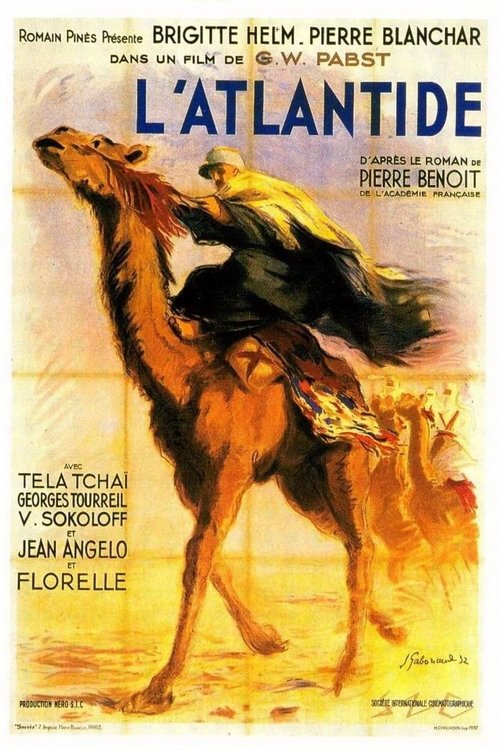
The Mistress of Atlantis
1932
No user ratings available yet
Representation score: 5.1 out of 10

Representation Score
Good
1932
Director
G.W. Pabst
Runtime
87 minutes
Average Rating
No ratings yetNew Showbiz Analysis
G.W. Pabst’s film is a sophisticated deconstruction of power that challenges early 20th-century social hierarchies. By centering a dominant female figure who dismantles the moral cohesion of her male counterparts, the film moves beyond standard cinematic clichés of the era. The narrative's strength lies in its psychological depth and the blurring of cultural lines through the protagonist's complex lineage. This provides a layer of identity complexity that was quite progressive for 1932. However, the film remains limited by its focus on traditional romantic archetypes and a lack of explicit non-cisgender representation. It functions primarily through the lens of intense, heterosexual obsession.
Category Breakdown
The film focuses on heterosexual romantic obsession and the femme fatale archetype. Male characters share strong emotional bonds, but there is no explicit depiction of LGBTQ+ identities or intimate relationships.
Antinéa upends traditional gender roles as a powerful sovereign figure who controls men. The narrative challenges masculine stability by portraying male characters as driven by irrationality and emotional vulnerability.
The protagonist's background includes themes of racial blending and colonial history. Her heritage comes from a union between a French dancer and an Arab prince, introducing uncommon cultural diversity.
The desert setting and underworld atmosphere promote moral relativism. The film criticizes Western institutions by showing how traditional honor codes fail against the primal power of Atlantis.
There is no evidence of characters dealing with physical or neurodivergent disabilities as central narrative drivers.
Present on Screen
Limited or Absent
Official Synopsis
Two young officers, Saint-Avit and Morhange, get lost in the desert and find themselves prisoners of the beautiful Antinéa, queen of the city of Atlantis. Saint-Avit, blinded by his love for her, obeys her when she orders him to kill his comrade... With L’Atlantide, Pabst offers a psychoanalytic reading of Benoit’s novel, with a dominant female figure who enslaves her lovers before destroying them. The film’s fantasy dimension is disturbing, L’Atlantide bathes in a humid nightmare atmosphere, between the desperate search for a missing friend and the apparitions of an underworld lost in the desert. A long, discursive flashback suggests the Parisian origins of Antinéa, born from the marriage between Clémentine, a pretty, light-thighed French Cancan dancer, and an Arab prince seduced during a theatrical performance. But again, it's impossible to know whether these are the ramblings of an old alcoholic or the strange truth.
1932
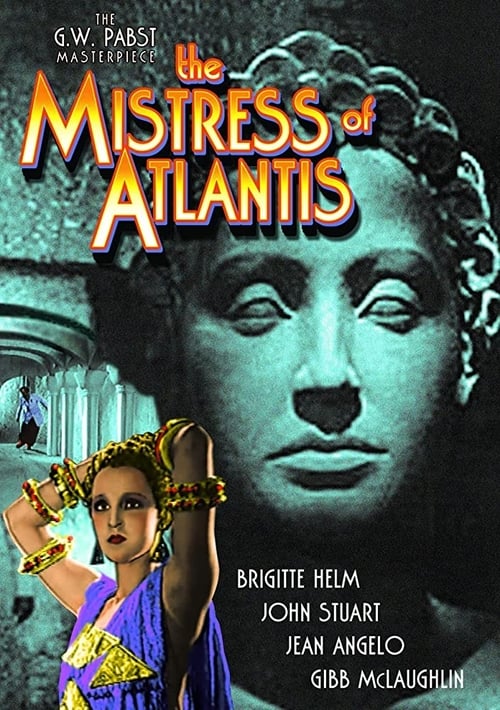
1932
1936
1909

1978

1973
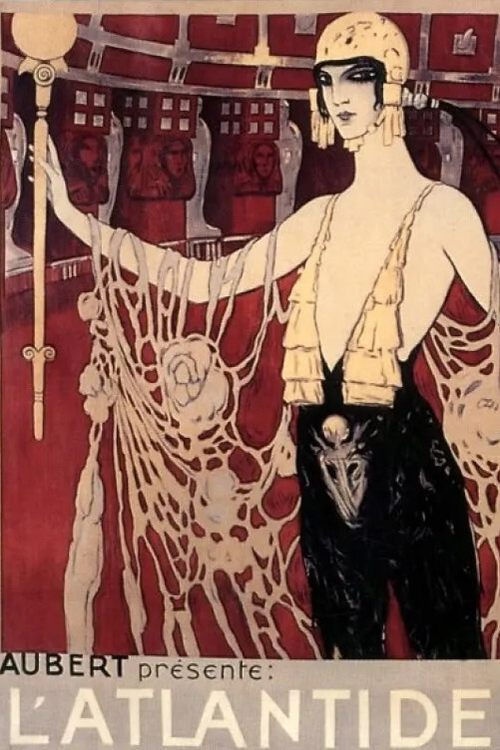
1921

1967
No reviews yet. Be the first to share your thoughts on this movie!
Use the rating form above to leave a star rating and optional review.