Goodbye Brooklyn Nine-Nine
2022
No user ratings available yet
Representation score: 6.8 out of 10
Representation Score
Good
2020
Runtime
59 minutes
Average Rating
No ratings yetNew Showbiz Analysis
The special succeeds as a progressive media retrospective by utilizing a diverse panel to deconstruct 2020's cultural landscape. By centering diverse comedians, the program avoids a monolithic perspective, instead offering a fragmented and subjective view of media trends. Strengths lie in the intellectual authority of the female and non-binary hosts, who steer the cultural critique with wit. The casting deliberately moves away from homogeneous structures to ensure a multi-vocal analysis of the reviewed shows. However, the comedic format occasionally limits the depth of representation, favoring quick timing over sustained narrative exploration. Additionally, there is a lack of visible disability representation within the presented material.
Category Breakdown
London Hughes brings essential LGBTQ perspectives to the panel, ensuring discussions about non-straight relationships are central. While the comedic format prioritizes timing over deep narrative arcs, LGBTQ identities are represented through lived experience.
The special subverts traditional hierarchies by placing women and non-binary voices in positions of intellectual authority. Hosts like Fortune Feimster and London Hughes use observational wit to challenge conventional comedic clichés.
A diverse cohort of comedians prevents a singular, Anglo-centric viewpoint from dominating the critique. This multi-vocal approach ensures the analysis of mainstream media remains inclusive and culturally varied.
The program adopts a postmodern approach, focusing on how global shifts impact collective identity. It prioritizes a critique of systemic changes and social realities over traditional moral or structural standards.
There is no evidence of visible or invisible disability representation within the panel or the discussed content. No hosts or characters are identified as navigating disability-related narratives.
Present on Screen
Limited or Absent
Official Synopsis
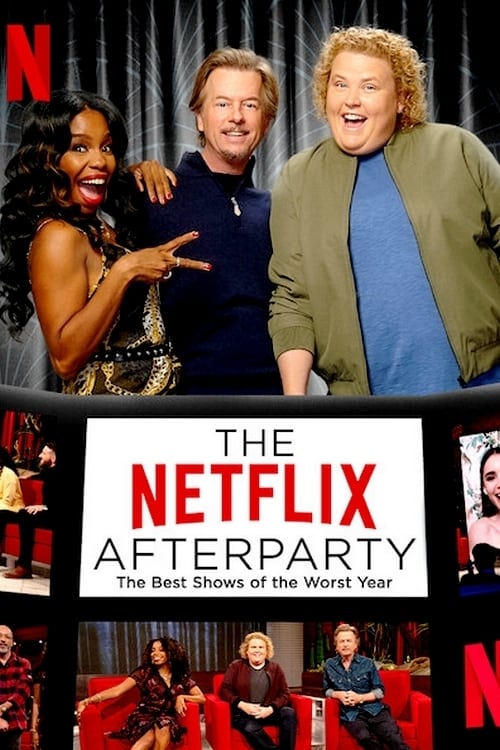
David Spade, Fortune Feimster and London Hughes welcome guests from Tiger King, Emily in Paris, The Queen's Gambit, and more.
2022

2019

2019
2021

2020
2020
2022
2021
No reviews yet. Be the first to share your thoughts on this movie!
Use the rating form above to leave a star rating and optional review.