
Neve
2014
No user ratings available yet
Representation score: 0.0 out of 10
Representation Score
Limited
2004
Director
Paolo Sorrentino
Runtime
100 minutes
Average Rating
No ratings yetNew Showbiz Analysis
Paolo Sorrentino’s film is a highly stylized character study that prioritizes philosophical inquiry and existential themes over social representation. The narrative structure focuses on a singular, isolated male perspective, which limits opportunities for diverse perspectives and engagement with social issues. While the film achieves artistic sophistication through its postmodern approach, it remains demographically traditional. The setting and cast reflect a localized, culturally specific European atmosphere that lacks racial or ethnic diversity. Ultimately, the film serves as a meditation on individual alienation. It avoids many common clichés but its narrow focus on a solitary man's psychological numbness results in a lack of diverse viewpoints.
Category Breakdown
The film does not depict any prominent LGBTQ identities or same-sex intimacy. It focuses on the protagonist's internal thoughts and detachment.
The story centers around a solitary male protagonist, limiting opportunities for female characters to drive the plot. It avoids traditional domestic clichés but does not provide female characters with significant roles.
The cast and setting are predominantly homogeneous, reflecting a specific European social environment. There is a noticeable absence of racial or ethnic diversity among the characters.
The film explores moral ambiguity and existential questions through the lens of an individual's relationship to society. It does not offer a structured critique of Western institutions.
The protagonist's psychological struggles are portrayed as an existential condition rather than a defined disability. The film avoids using disability as a plot device or inspiration.
Present on Screen
Limited or Absent
Official Synopsis
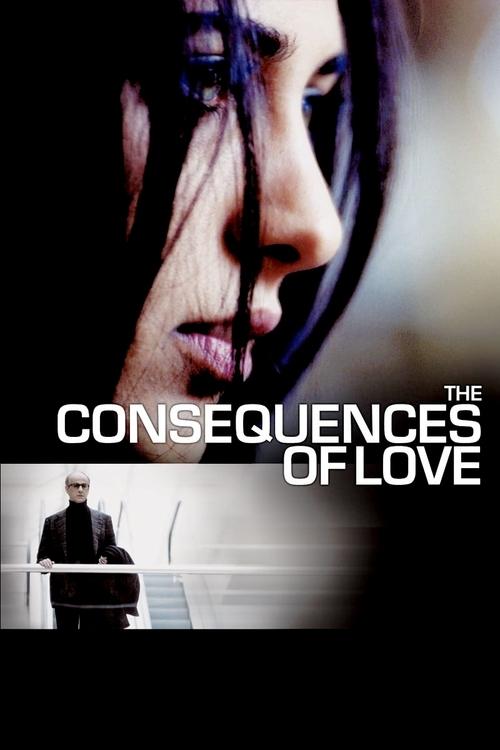
Lugano, Switzerland. Titta Di Girolamo is a discreet and sullen man who has been living for almost a decade in a modest hotel room, a prisoner of an atrocious routine, apparently without purpose. His past is a mystery, nobody knows what he does for a living, he answers indiscreet questions evasively. What secrets does this enigmatic man hide?
2014
2010

2009
1994

2019

1999
2016
2009
No reviews yet. Be the first to share your thoughts on this movie!
Use the rating form above to leave a star rating and optional review.