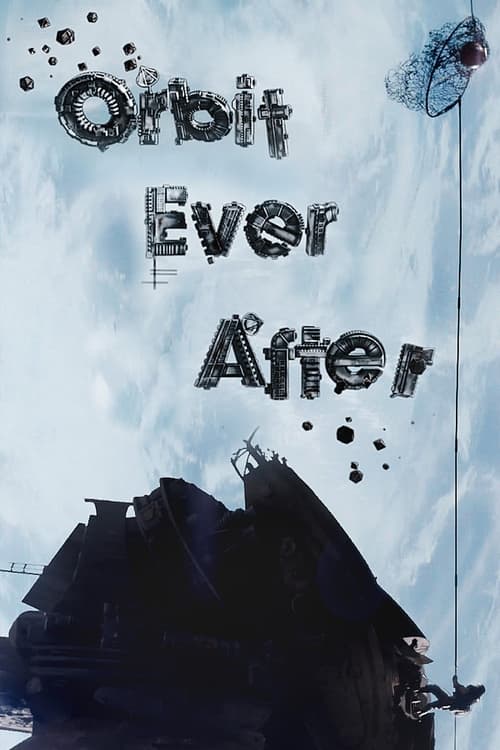
Orbit Ever After
2013
No user ratings available yet
Representation score: 5.1 out of 10
Representation Score
Fair
2021
Director
Daniela Bernal
Runtime
70 minutes
Average Rating
No ratings yetNew Showbiz Analysis
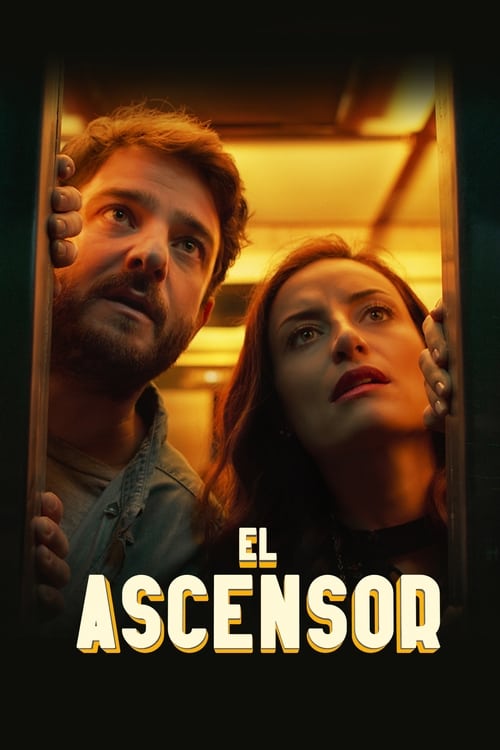
The Lift functions as a psychological chamber piece that uses a science fiction premise to deconstruct the architecture of a long-term marriage. By trapping Sitio and Ana in a malfunctioning elevator, the film moves away from traditional linear realism to explore interpersonal power dynamics. While the film lacks overt markers of identity-based representation, such as LGBTQ+ or specific racial diversity, it finds strength in its thematic subversion. It avoids the 'idealized family' cliché, opting instead to examine the breakdown of social structures through a speculative lens. Ultimately, the film's diversity is found in its narrative approach rather than its character demographics. It prioritizes the deconstruction of domestic roles over standard, harmonious depictions of marriage.
Category Breakdown
The main storyline focuses on a heterosexual marriage between Sitio and Ana, with no visible LGBTQ+ narratives or non-cisgender identities.
The story challenges traditional domestic stability by placing a married couple in a state of entrapment, suggesting a breakdown of conventional gender roles and domestic hierarchies.
As a Spanish-language production, the film maintains a neutral stance on racial diversity. The synopsis lacks specific details about the ethnic composition or diverse backgrounds of the cast.
The narrative subverts Western matrimonial traditions by using a wedding anniversary as a catalyst for conflict. It replaces idealized family sanctity with a more complex, dysfunctional reality.
The current context provides no information regarding the inclusion of characters with visible or invisible disabilities.
Present on Screen
Limited or Absent
Official Synopsis
On their fifth wedding anniversary, Sitio and Ana start arguing inside an elevator that keeps opening in their same floor. Emotionally and physically trapped, the two will have to work together to find a way out.
2013

2019
2024
2020
2025
2014

2022
2021
No reviews yet. Be the first to share your thoughts on this movie!
Use the rating form above to leave a star rating and optional review.