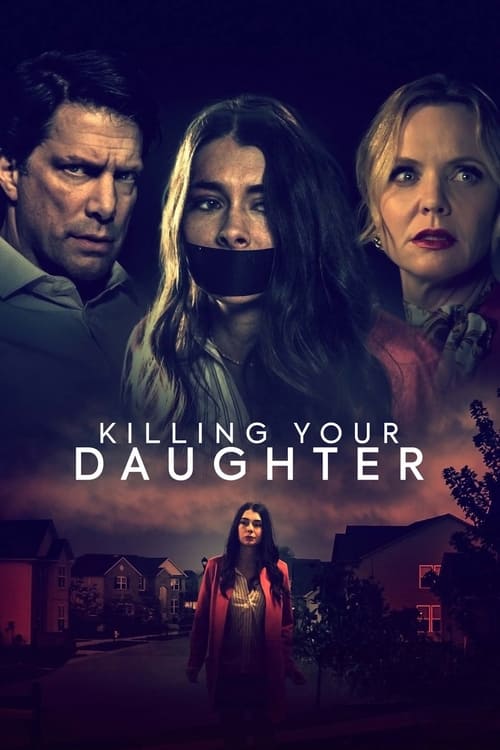
Killing Your Daughter
2019
No user ratings available yet
Representation score: 3.3 out of 10
Representation Score
Limited
2023
TV-14Director
Roxanne Boisvert
Runtime
90 minutes
Average Rating
No ratings yetNew Showbiz Analysis
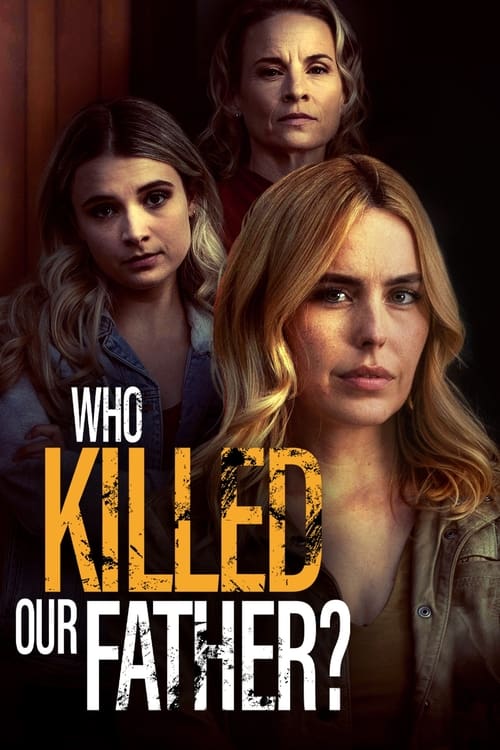
Who Killed Our Father? is a character-driven thriller centered around a female-led investigation. By making Leila the primary driver of the mystery, the film highlights women's ability to drive the story within the genre. However, the narrative lacks depth regarding diverse representation. There is little evidence of LGBTQ+ identities, diverse racial backgrounds, or disability representation within the current context. The film focuses more on personal discovery related to biological identity than on broader systemic or sociological critiques.
Category Breakdown
The film does not include explicit evidence of LGBTQ+ characters or non-straight relationships. The storyline focuses on biological lineage and family discovery.
Leila serves as the central driver of the investigation and the main character in the plot. This positions her as the active protagonist, disrupting traditional thriller clichés where men typically lead.
There is insufficient information to determine the racial or ethnic makeup of the cast. The narrative does not highlight specific instances of race-bent casting.
The story explores fractured family structures and the complexities of foster care. It prioritizes personal truth over traditional nuclear family hierarchies.
The film provides no information regarding the inclusion of characters with visible or invisible disabilities.
Present on Screen
Limited or Absent
Official Synopsis
After her foster sister dies, Leila takes a DNA test and discovers the identity of her biological father and sister. But when her father is tragically murdered, and Leila travels to meet the sister she never knew, she lands herself in more danger than she ever imagined.
2019

2023

2024
2022

2023
2022
2017

2019
No reviews yet. Be the first to share your thoughts on this movie!
Use the rating form above to leave a star rating and optional review.