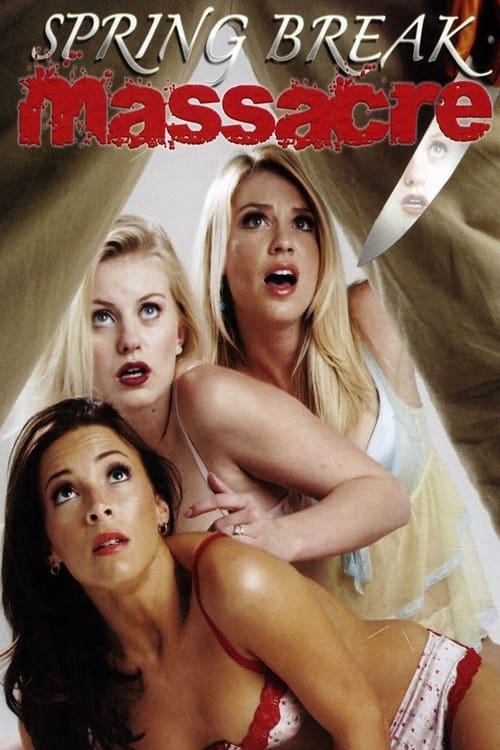
Spring Break Massacre
2008
No user ratings available yet
Representation score: 1.3 out of 10

Representation Score
Fair
2009
Not RatedDirector
Griff Furst
Runtime
85 minutes
Average Rating
No ratings yetNew Showbiz Analysis
30 Days to Die functions as a campy homage to classic slasher clichés, particularly those found in the Friday the 13th franchise. The film prioritizes genre archetypes over disrupting social or systemic hierarchies. The narrative relies on a conventional 'group in peril' framework, favoring traditional casting and predictable character roles. This structure tends to limit characters who reflect more than one aspect of diversity. Ultimately, the film reflects the standard conventions of late-2000s independent horror. It focuses on survivalist tension rather than exploring diverse identities or complex social critiques.
Category Breakdown
The film follows the typical heterosexual and cisgender norms seen in 2009 slasher films. There is no representation of LGBTQ+ identities or critiques of traditional social norms.
The story revolves around a female ensemble, but these characters primarily serve as victims. The narrative emphasizes survival rather than challenging gender hierarchies or masculinity.
The film likely adheres to standard casting practices for low-budget horror of its era. There is no indication of a diverse or non-Anglo-Saxon majority cast.
The narrative operates within a standard horror framework without engaging in systemic or cultural critiques. It focuses on localized survival rather than broader social or secularist themes.
Characters with disabilities lack a significant role in driving the story in the film. Physical or mental vulnerabilities are often used merely as plot devices to heighten tension within the slasher genre.
Present on Screen
Limited or Absent
Official Synopsis
A group of girls trapped in an institution suffer the wrath of a serial killer on the loose. This campy thriller pays homage to Friday the 13th.
2008

2006
2015

2006

2012

2007
2013
2017
No reviews yet. Be the first to share your thoughts on this movie!
Use the rating form above to leave a star rating and optional review.