Godzilla vs. Kong
2021
No user ratings available yet
Representation score: 7.5 out of 10
Representation Score
Minimal
1998
PG-13Director
Roland Emmerich
Runtime
138 minutes
Average Rating
No ratings yetNew Showbiz Analysis
Godzilla (1998) is a classic late-20th-century blockbuster that prioritizes high-concept spectacle over nuanced social storytelling. The film relies on established genre clichés and traditional blockbuster structures to drive its narrative of destruction. The production maintains a very homogeneous demographic, with a cast that lacks racial, ethnic, or LGBTQ+ complexity. This creates a narrow social landscape that reinforces standard Western urban experiences and traditional gender roles. While the film provides some professional roles for women, it fails to challenge traditional gender hierarchies or provide significant representation for disabled or neurodivergent individuals.
Category Breakdown
The film doesn't include any LGBTQ+ characters or stories. The social world shown is strictly focused on heterosexual relationships without any hints of alternative identities.
Women like Audrey Parmesan have professional roles, passing the Bechdel test. However, their influence is often tied to the main male character, reinforcing traditional gender roles.
The cast is mostly white, following typical Hollywood casting practices of the late 1990s. There are no characters of color challenging established social hierarchies.
The story follows a typical Western disaster plot, focusing on biological threats rather than cultural critiques. It emphasizes traditional responses through the US military.
There are no prominent depictions of visible or invisible disabilities or neurodivergence. Characters focus on physical survival and biological changes.
Present on Screen
Limited or Absent
Official Synopsis
French nuclear tests irradiate an iguana into a giant monster that viciously attacks freighter ships in the Pacific Ocean. A team of experts, including Niko Tatopoulos, conclude that the oversized reptile is the culprit. Before long, the giant lizard is loose in Manhattan as the US military races to destroy the monster before it reproduces and it's spawn takes over the world.
2021
1956
2014

1989
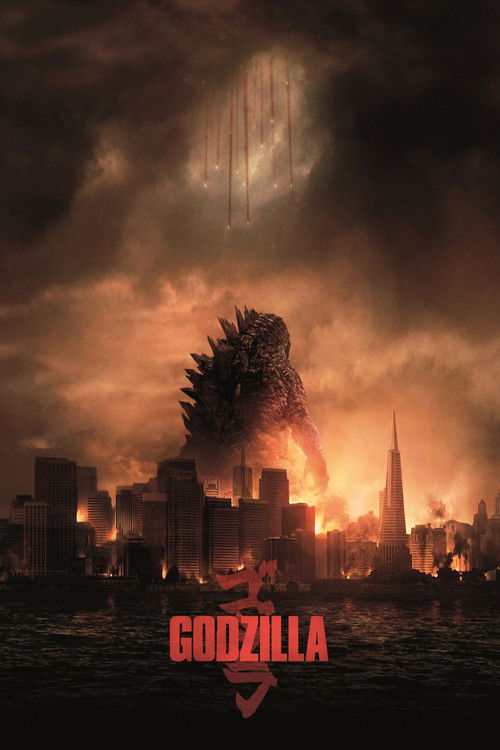
2014
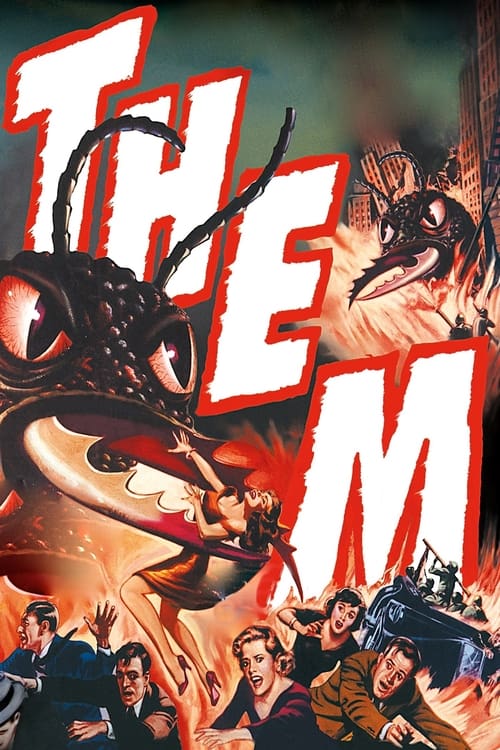
1954
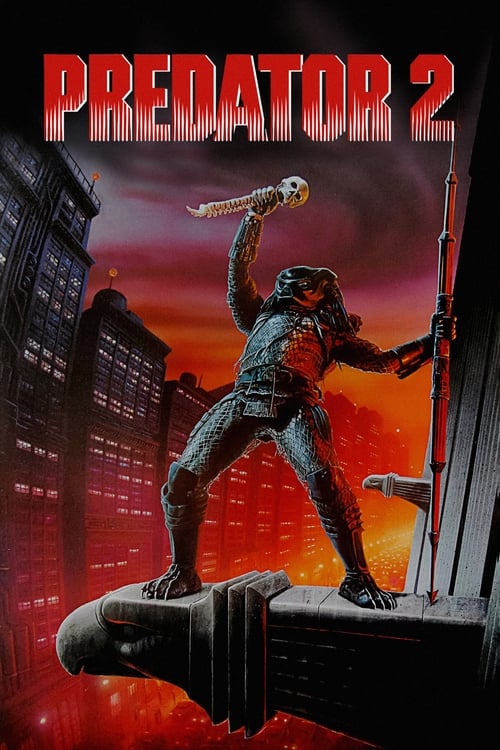
1990
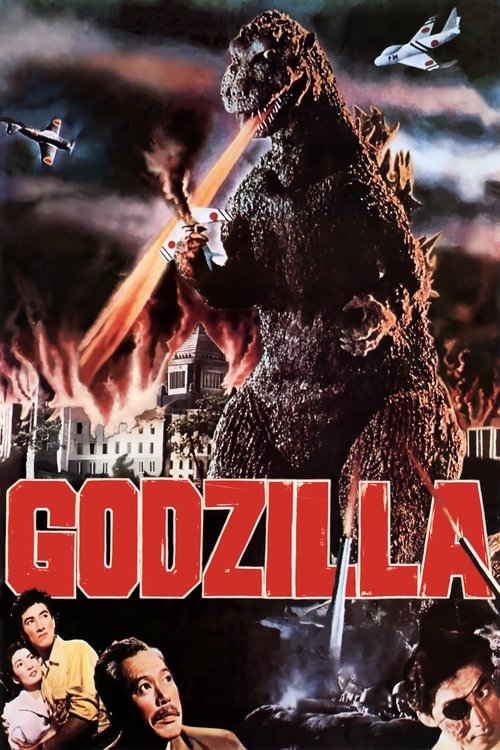
1954
No reviews yet. Be the first to share your thoughts on this movie!
Use the rating form above to leave a star rating and optional review.