
When Marnie Was There
2014
No user ratings available yet
Diversity score: 6.1 out of 10
2023
Director
Shinnosuke Yakuwa
Runtime
114 minutes
Average Rating
No ratings yetSynopsis
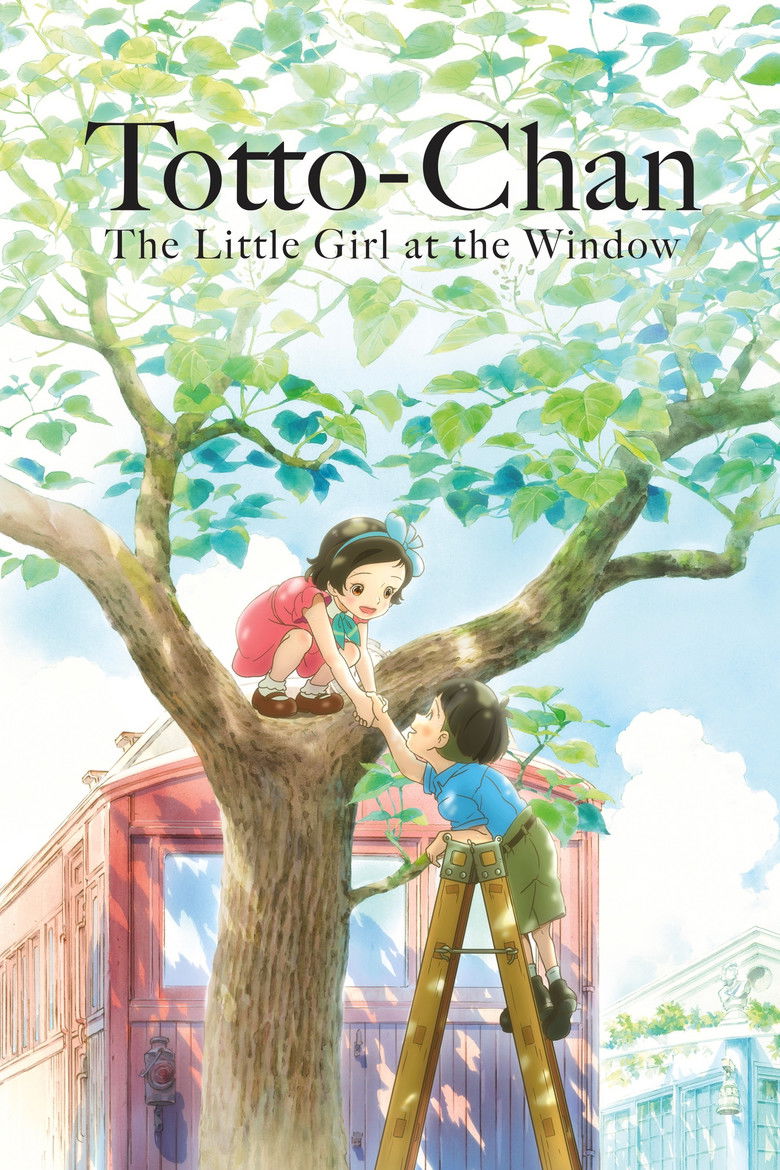
This engaging series of childhood recollections tells of an unconventional school in Tokyo during World War II that combined learning with fun, freedom, and love. The school had old railroad cars for classrooms and was run by an extraordinary man – its founder and headmaster, Sōsaku Kobayashi – who deeply valued children's independence, and who was a firm believer in freedom of expression and activity.
Overall Score
Good
Category Breakdown
LGBTQ+ Representation
The film focuses on childhood development and familial bonds within a historical Japanese context. While it lacks explicit depictions of non-cisnormative identities, it emphasizes individual essence over social conformity.
Gender Representation
The story subverts traditional hierarchies by centering on a female protagonist with significant agency. Totto-chan is an active participant in her development rather than a submissive or passive figure.
Racial & Ethnic Diversity
The cast is ethnically homogeneous, reflecting the specific historical setting of wartime Tokyo. The film maintains cultural authenticity to its temporal milieu without utilizing contemporary race-bending.
Religious & Cultural Diversity
The narrative critiques rigid institutionalism by portraying Tomoe Gakuen as a sanctuary of freedom. It celebrates progressive pedagogy that values the individual spirit over state-mandated dogma.
Disability Representation
The film subtly explores neuroatypicality through a protagonist labeled as 'too energetic' by traditional standards. It reframes disruptive behavior as a natural variation rather than a deficit.
Strengths
Areas for Improvement
AI Analysis
Totto-chan: The Little Girl at the Window succeeds as a character study that challenges systemic rigidity. By centering on a young girl's curiosity, the film dismantles traditional educational hierarchies and celebrates individual agency against the backdrop of wartime Japan. The narrative's strength lies in its progressive portrayal of childhood and its subversion of patriarchal discipline. It reframes eccentricity as a strength, providing a nuanced look at how unconventional environments can foster growth. However, the film's historical specificity limits its breadth of representation. The focus on a homogeneous wartime setting means it lacks explicit LGBTQ+ or multi-ethnic perspectives, prioritizing period authenticity over modern diversity.
2014

2020

2006
2025

2013

2023

1995

2021
1985

2015
1995

2021
No reviews yet. Be the first to share your thoughts on this movie!
Use the rating form above to leave a star rating and optional review.