Hitler's Lost Sub
2000
No user ratings available yet
Representation score: 1.3 out of 10
Representation Score
Minimal
2017
Director
Christian Heynen
Average Rating
No ratings yetNew Showbiz Analysis
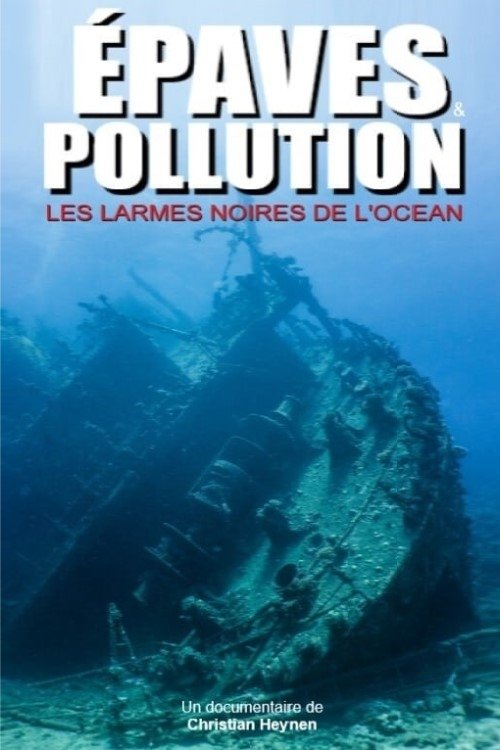
Vergessene Wracks is an environmental documentary focused on the ecological risks posed by sunken WWII vessels. Since the film emphasizes technical challenges and industrial hazards over character development, it does not engage with identity politics or social intersectionality. The film’s main contribution to diversity is its cultural critique of the environmental fallout from historical Western conflicts. However, this focus on systemic ecological risk overlooks human representation. Overall, the documentary lacks diverse human perspectives, concentrating instead on the physical and chemical realities of maritime wreckage.
Category Breakdown
The documentary does not include any characters or stories related to LGBTQ+ individuals. The focus on maritime and environmental issues does not provide a context for exploring queer identities.
The film does not specify the genders of the researchers or experts featured. Without clear evidence of gendered power dynamics, the representation remains neutral.
The narrative centers on historical shipwrecks and ecological data, with no indication of a diverse cast or non-white protagonists.
The film presents a progressive environmental perspective by highlighting the long-term ecological impacts of industrial warfare and geopolitical conflict.
There is no mention of neurodivergent individuals or people with physical disabilities within the research teams or the narrative.
Present on Screen
Limited or Absent
Official Synopsis
There are ticking time bombs off the coasts of the world, of which the public has hardly been aware: 6,300 wrecks, sunk during the Second World War, have been rusting in the sea for more than 70 years. Researchers estimate the amount of oil remaining in them at up to 15 million tons. What can be done to prevent an oil slick?
2000

2012
2016
2013
2010
2019
2012
2024
No reviews yet. Be the first to share your thoughts on this movie!
Use the rating form above to leave a star rating and optional review.