
Around the World in 80 Days
2021
No user ratings available yet
Representation score: 4.5 out of 10
Representation Score
Limited
2018
GDirector
Karsten Kiilerich
Runtime
81 minutes
Average Rating
No ratings yetNew Showbiz Analysis
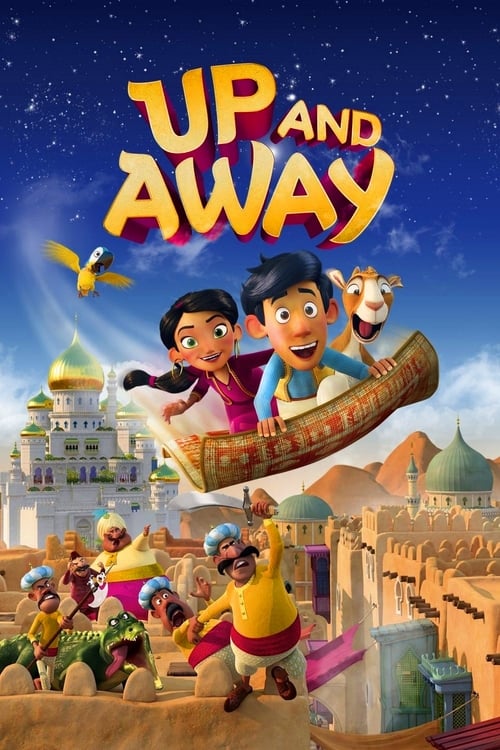
Up and Away provides a moderately diverse backdrop by placing its adventure in a non-Western cultural context. Its strength lies in subverting gender stereotypes and critiquing authoritarian structures. However, the story falls short in representing LGBTQ+ identities and disability. While the world-building is culturally unique, it lacks deeper multi-layered complexity. Overall, the film effectively challenges traditional power structures through its portrayal of class struggles and female empowerment, though it remains limited in other demographic areas.
Category Breakdown
The film does not include any visible LGBTQ+ characters or stories about non-assuming gender matches what was assigned at birth identities. The plot revolves around the main quest and personal relationships.
Emerald breaks stereotypes by serving as a resourceful guide for the protagonist. Her skills and survival instincts make her a crucial part of the team.
The setting and names indicate a non-Western, culturally unique environment. This shifts the narrative away from Eurocentric storytelling through its distinctive world-building.
The film criticizes centralized power by showing the Sultan as a harmful and oppressive figure. It also examines the conflict between family obligations and personal freedom.
There are no characters in the film dealing with physical, neurodivergent, or sensory disabilities.
Present on Screen
Limited or Absent
Official Synopsis
Hodja is a dreamer. He wants to experience the world, but his father insists he stays home and takes over the family's tailor shop. Fortunately, Hodja meets the old rug merchant El Faza, who gives him a flying carpet. In exchange he has to bring the old man's little granddaughter, Diamond, back to Pjort. El Faza can’t travel to the Sultan city himself, as the mighty ruler has imposed a death sentence on El Faza, on the grounds that he has stolen the Sultan's carpet. However, city life isn't quite what Hodja expected, and he only survives because of Emerald, a poor but street smart girl, who teaches him how to manage in the big world. But when Hodja loses his carpet to the power-hungry sultan, his luck seems to run out. Will he complete his mission, find El Faza's granddaughter and return safely back to Pjort?
2021
2006
2009
2022

2019

2018

1999
2021
No reviews yet. Be the first to share your thoughts on this movie!
Use the rating form above to leave a star rating and optional review.