
300 Miles to Heaven
1989
No user ratings available yet
Representation score: 3.6 out of 10
Representation Score
Minimal
1982
PGDirector
Delbert Mann
Runtime
107 minutes
Average Rating
No ratings yetNew Showbiz Analysis
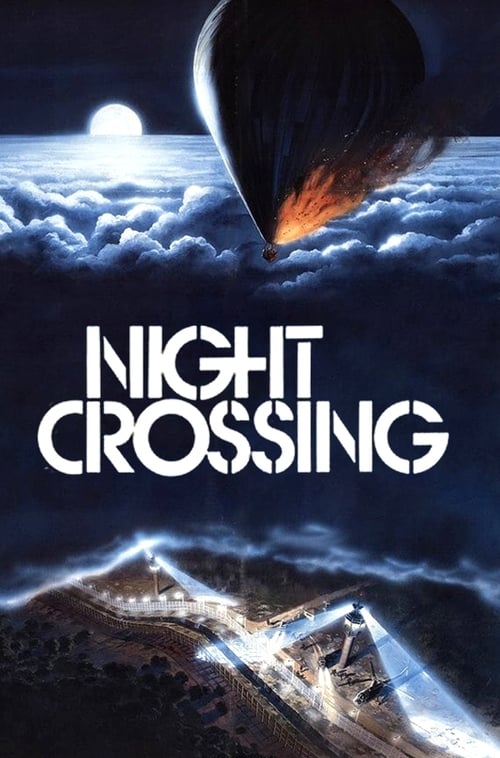
Night Crossing is a traditional historical drama that prioritizes period accuracy and classical storytelling over diverse representation. The film's focus on a homogeneous, male-dominated military environment reinforces conventional social hierarchies and traditional Western perspectives. Because the story is rooted in a specific historical context of Allied prisoners of war, the demographic homogeneity and lack of diverse identities are presented as reflections of that era. The film does not attempt to disrupt established identity norms or engage with postmodernist deconstruction.
Category Breakdown
The film does not include any visible LGBTQ+ characters or non-binary gender identities. The story is set in a strictly heterosexual military context without any depiction of same-sex relationships.
The narrative is dominated by male characters and centers on male camaraderie and military experiences. This focus on a POW camp setting results in an absence of female characters.
The cast is primarily white, reflecting the historical composition of American and Allied prisoners of war. There are no characters of color in central roles.
The film presents a conventional Western historical drama centered on the Allied experience. It reinforces traditional Western geopolitical narratives through its depiction of the conflict with East Germany.
There are no prominent depictions of visible or invisible disabilities. No neurodivergence or mental health conditions are central to any character arcs or drivers of the plot.
Present on Screen
Limited or Absent
Official Synopsis
Two men want to escape from East Germany (under Communist rule) but they will only go if they can take their families with them. Based on a true story.
1989

2001

1962

2018

2023

1985

1961
1987
No reviews yet. Be the first to share your thoughts on this movie!
Use the rating form above to leave a star rating and optional review.