The Big 4
2022
No user ratings available yet
Representation score: 5.7 out of 10
Representation Score
Limited
2015
RDirector
Gregory Hatanaka
Runtime
90 minutes
Average Rating
No ratings yetNew Showbiz Analysis
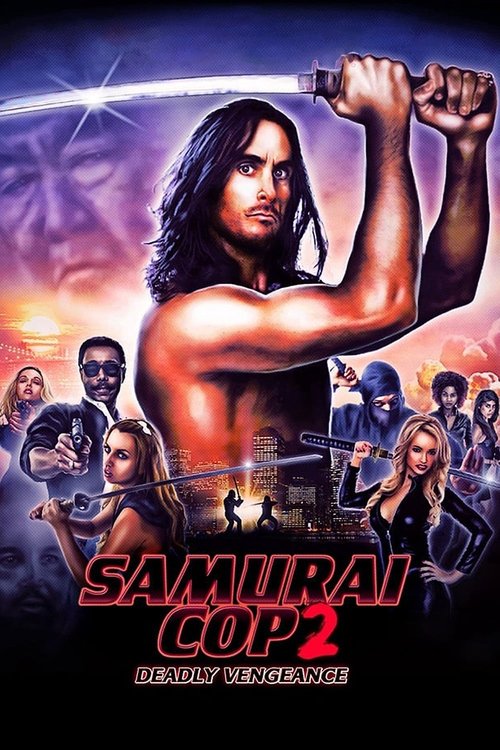
Samurai Cop 2: Deadly Vengeance is a film that centers on action clichés rather than social commentary. Its strongest point lies in racial diversity, featuring a prominent Japanese-American lead. However, the film struggles with gender dynamics, where women are empowered but lack true autonomy, serving mainly as plot catalysts for the male characters. The narrative stays within conventional masculine structures and does not engage with diverse identities or systemic issues.
Category Breakdown
The film does not include any non-cisgender gender identities or stories that challenge the idea that everyone is straight. It focuses on traditional masculine themes.
Women play key roles as vigilantes, but the story mainly revolves around male protagonists. They are not passive, but their actions often serve as obstacles for the male leads.
Cary-Hiroyuki Tagawa's role as a non-Anglo-Saxon protagonist adds diversity and challenges typical expectations of the lone hero in American action films.
The story emphasizes vengeance themes rather than critiquing institutions. It focuses on personal justice rather than cultural or systemic issues.
The film does not depict any characters with visible or invisible disabilities. Characters are defined by their physical abilities needed for the action.
Present on Screen
Limited or Absent
Official Synopsis
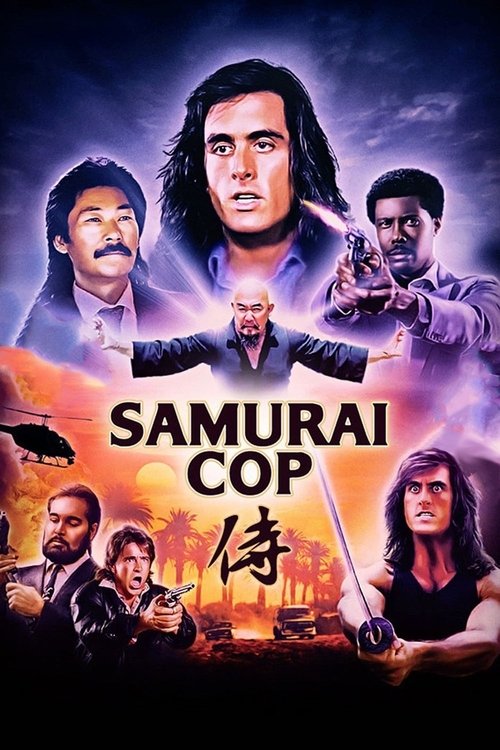
25 years later after the events of Samurai Cop (1991), Detective Frank Washington is forced to team up with his long estranged partner Joe Marshall to solve a series of assassinations being committed by a secret group of female vigilante killers.
2022
2024
1991
2017

2011

1998
2021
1991
No reviews yet. Be the first to share your thoughts on this movie!
Use the rating form above to leave a star rating and optional review.