
The Postman Strikes Back
1982
No user ratings available yet
Diversity score: 4.9 out of 10
1994
Director
Tony Ching Siu-Tung
Runtime
89 minutes
Average Rating
No ratings yetSynopsis
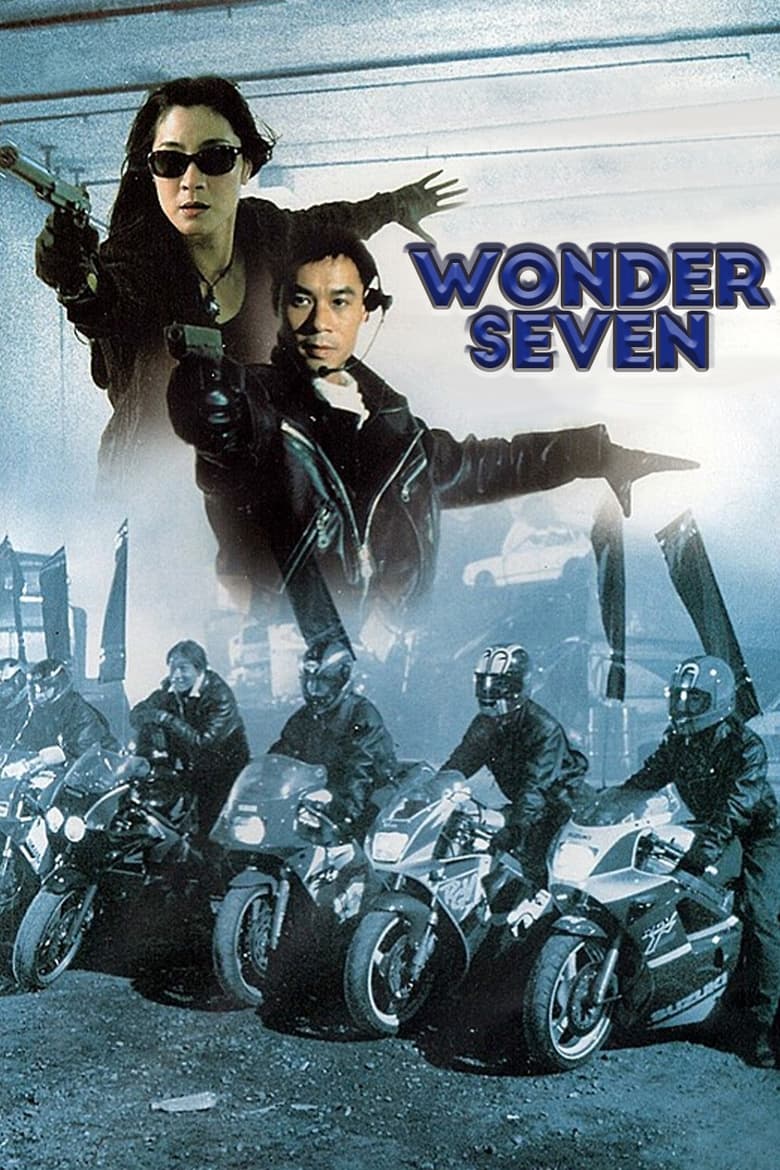
Wonder Seven, a secret group of well-trained government agents in China, has been assigned a case of a computer disc robbery. At first everything seems to go smooth, when a disastrous national conspiracy unravels. Seven gets caught and are forced to strike back. Meanwhile, the leader of Seven, Yip, develops a forbidden romance with a mysterious Japanese lady...
Overall Score
Fair
Category Breakdown
LGBTQ+ Representation
The film lacks explicit LGBTQ+ identities or non-heteronormative relationships. The central romantic subplot follows a traditional heteronormative structure between the male lead and a Japanese woman.
Gender Representation
While the specialized agent unit implies professional competence for all members, the narrative focus remains on the male protagonist. Female characters appear to serve roles defined by romance or tactical utility.
Racial & Ethnic Diversity
The story features transnational dynamics through the interaction between a Chinese government unit and a Japanese character. This cross-cultural engagement moves the plot beyond a purely domestic focus.
Religious & Cultural Diversity
The plot critiques institutional integrity by portraying a national conspiracy within the government. This narrative choice challenges the trope of an infallible state through the agents' rebellion.
Disability Representation
There is no documented evidence regarding the portrayal of physical or neurodivergent disabilities in this film.
Strengths
Areas for Improvement
AI Analysis
Wonder Seven is a genre-driven action film that prioritizes ensemble dynamics and high-stakes kinetic storytelling. It operates largely within the traditional cinematic frameworks of 1990s Hong Kong action cinema, focusing on professional agency and physical competence. The film achieves a moderate level of diversity by introducing international tensions and a narrative that questions state authority. However, it lacks progressive social commentary or explicit representation of marginalized identities, such as LGBTQ+ characters or individuals with disabilities. Ultimately, the work provides a baseline of cross-cultural engagement and institutional skepticism, but remains anchored in conventional romantic and gendered tropes.
1982
2018

1977
1978
1981

1983

1992
1982
1987

1990

2002

2001
No reviews yet. Be the first to share your thoughts on this movie!
Use the rating form above to leave a star rating and optional review.