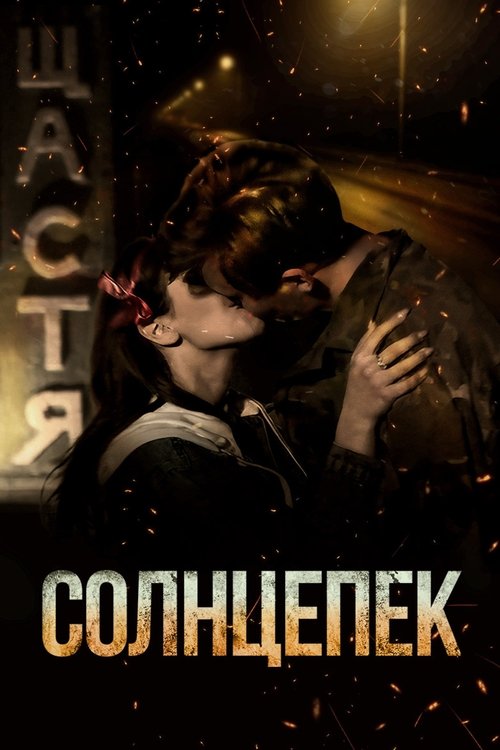
Hotsunlight
2021
No user ratings available yet
Representation score: 1.2 out of 10
Representation Score
Minimal
2019
Director
Renat Davletyarov
Runtime
96 minutes
Average Rating
No ratings yetNew Showbiz Analysis
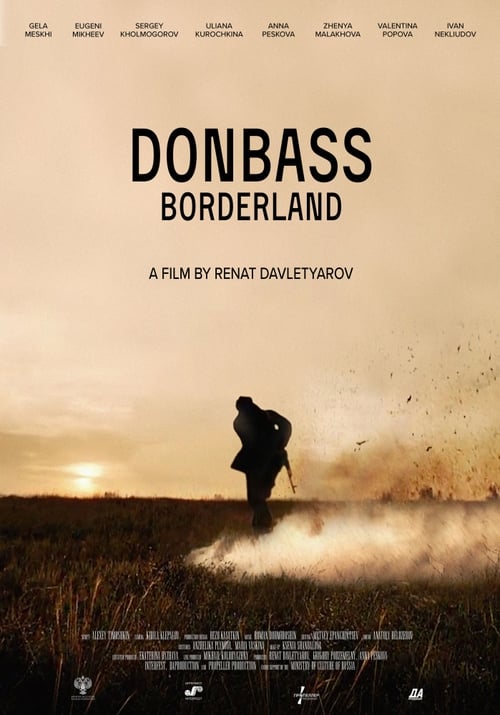
Donbass. Borderland is a localized war drama that prioritizes regional realism and traditionalist values over diverse representation. The narrative focuses on the immediate human cost of conflict within the Donbas region, using a classical dramatic structure to highlight the preservation of family and local heritage. The film maintains a highly specific ethnic and cultural focus, centering on Slavic demographics and Orthodox Christian identity. This approach provides authenticity to the setting but results in a lack of diverse perspectives or non-Slavic characters. Ultimately, the film functions as a critique of external political interventions. It avoids deconstructing social hierarchies, instead relying on established clichés of protection and vulnerability to convey the impact of military aggression.
Category Breakdown
The film focuses solely on survival and socio-political realities. There are no LGBTQ+ characters or explorations of queer themes, sticking to a traditional framework of interpersonal relationships.
Character arcs reinforce typical roles of masculine protection and feminine vulnerability. The film uses established war drama clichés rather than challenging traditional gender hierarchies.
The cast is very homogeneous, mainly featuring ethnically Slavic actors. This offers regional realism but lacks diversity in terms of different backgrounds.
Orthodox Christianity is central to the cultural fabric. The narrative criticizes Western-aligned structures, favoring a localized, traditionalist worldview over secular or globalist perspectives.
Physical and psychological traumas serve as markers of war's brutality. Disabilities are used as indicators of devastation rather than central identities for characters with significant roles in the story.
Present on Screen
Limited or Absent
Official Synopsis
A film about a young soldier of the Ukrainian army, Andrei Sokolov, who is sent to the combat zone as a driver. Fleeing from the shelling, he finds himself in the basement of a dwelling house, where he meets different people, each of whom dreams of ending the Russian invasion.
2021
2018
2022
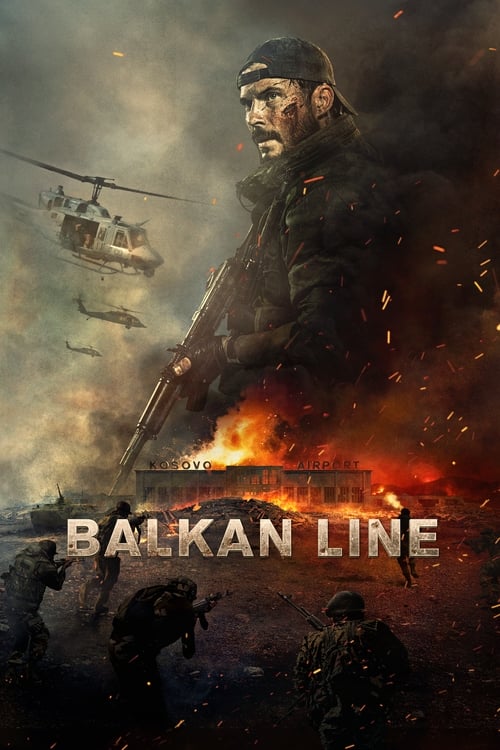
2019
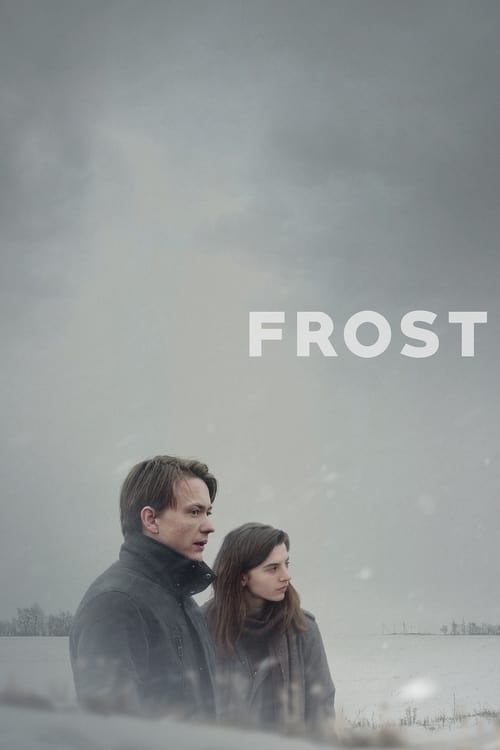
2017
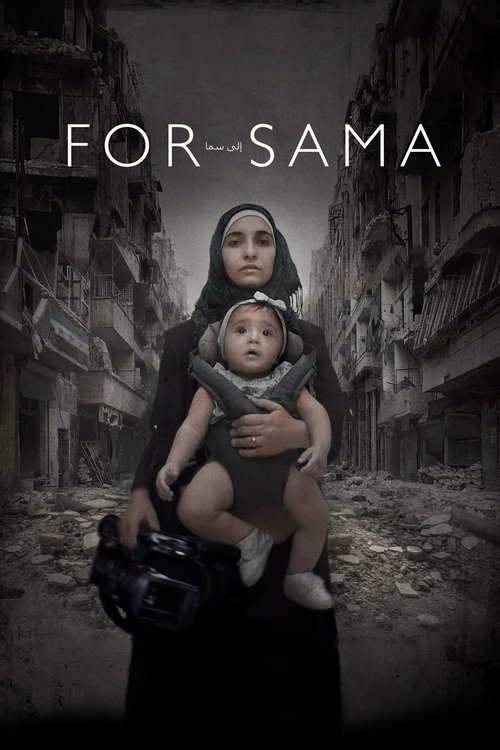
2019
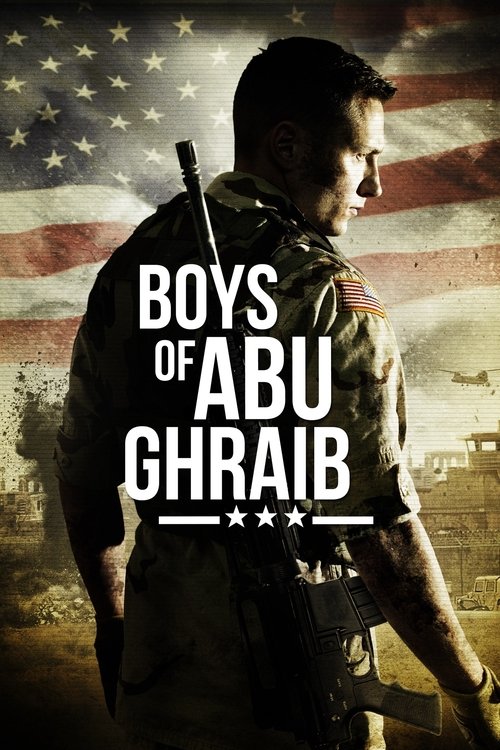
2014
2014
No reviews yet. Be the first to share your thoughts on this movie!
Use the rating form above to leave a star rating and optional review.