The New Shaolin Boxers
1976
No user ratings available yet
Diversity score: 4.9 out of 10
1979
Director
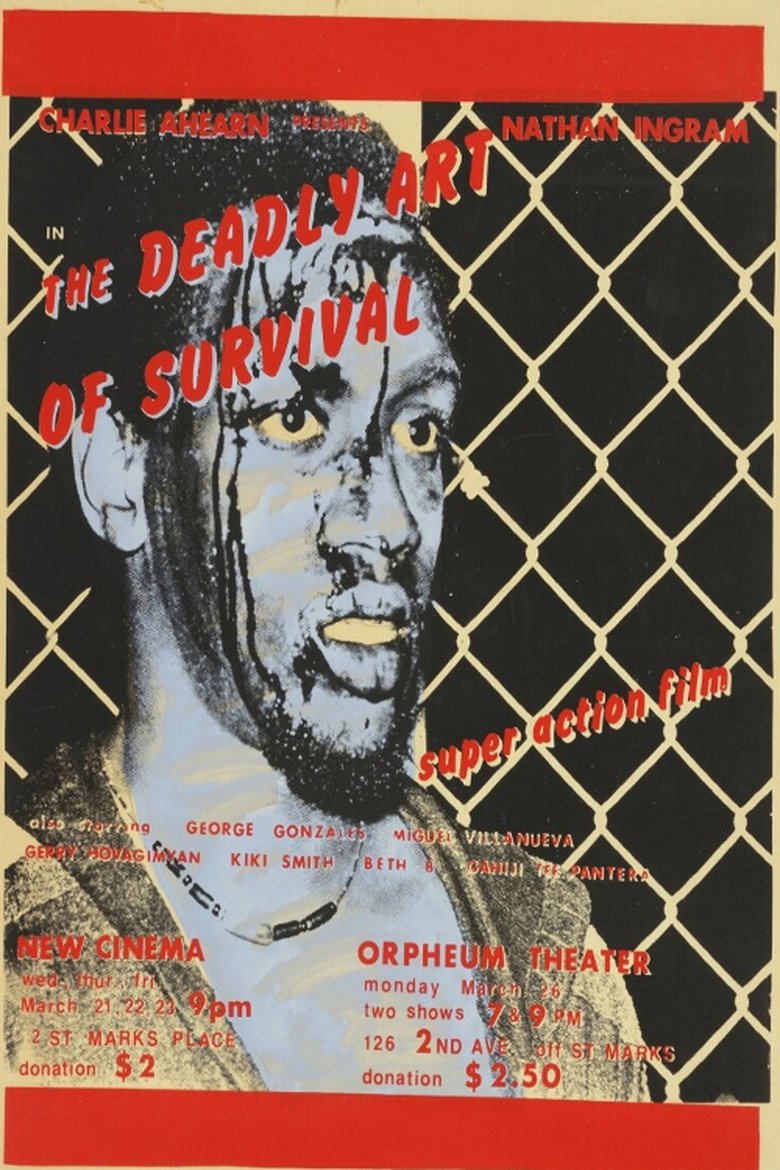
Charlie Ahearn
Runtime
77 minutes
Average Rating
No ratings yetSynopsis
Real-life kung fu master Nathan Ingram stars in this gritty, low-budget martial arts epic as a local karate school owner who clashes with a gang of drug traffickers posing as the owners of a rival dojo. Director Charlie Ahearn (who helmed the landmark hip-hop film Wild Style) used the housing projects next to his New York Lower East Side apartment as his central location in this 1979 classic, shot on a vintage Super 8 camera.
Overall Score
Fair
Category Breakdown
LGBTQ+ Representation
The film follows a traditional action framework centered on martial arts rivalry. There is no visible evidence of LGBTQ+ characters or narratives that critique heteronormativity.
Gender Representation
The story focuses on a male protagonist and a male-dominated conflict. It lacks female characters with high agency or any subversion of traditional masculine power dynamics.
Racial & Ethnic Diversity
By centering a kung fu narrative within New York housing projects, the film integrates non-Western traditions into a gritty American context. This setting challenges the homogeneous casting common in 1970s action cinema.
Religious & Cultural Diversity
The use of real-world housing projects suggests a gritty realism that critiques systemic neglect. However, the core conflict follows a conventional morality tale regarding justice and social order.
Disability Representation
There is no evidence regarding the portrayal of physical or neurodivergent disabilities within the film's narrative.
Strengths
Areas for Improvement
AI Analysis
The Deadly Art of Survival distinguishes itself through its raw, Super 8 aesthetic and its commitment to authentic, localized environments. By utilizing the New York Lower East Side housing projects, the film disrupts the polished artifice of mainstream 1970s cinema and provides a degree of cultural depth through its martial arts subject matter. However, the film remains limited by traditional genre tropes. The narrative architecture is heavily centered on masculine combat and conventional morality, which restricts the depth of its social commentary. While the setting provides a foundation for cultural representation, the character dynamics lack intersectional complexity. Ultimately, the film is a genre-specific work that succeeds in its environmental authenticity but fails to explore diverse identities beyond its central martial arts theme.
1976
1972

1972
1998
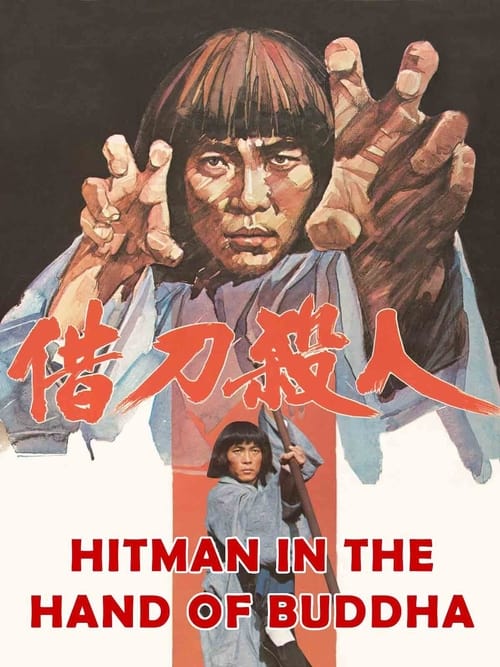
1981
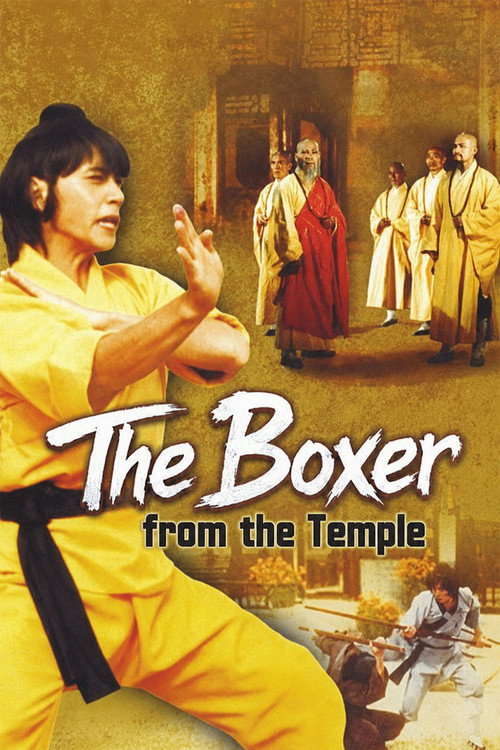
1980
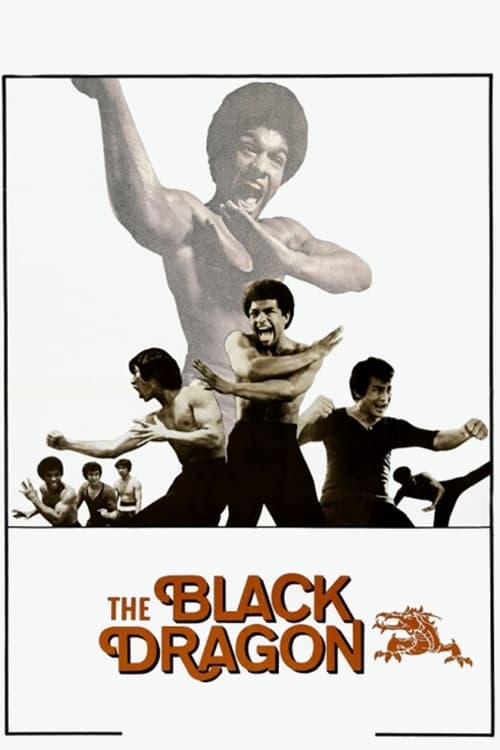
1974
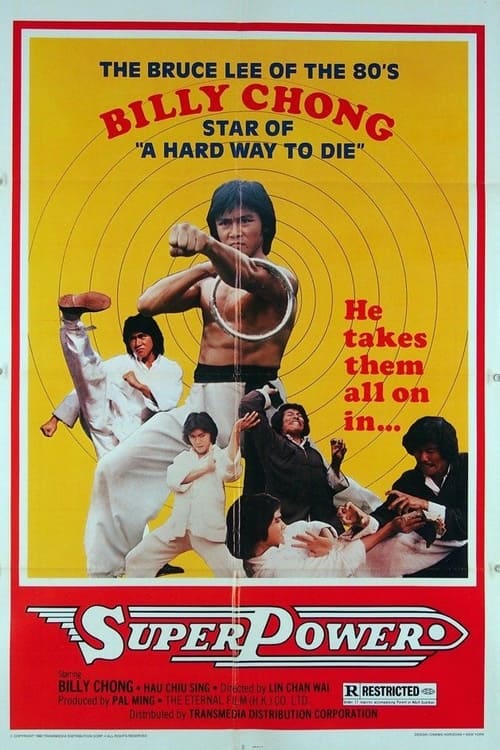
1980
1991

1996
1978
1977
No reviews yet. Be the first to share your thoughts on this movie!
Use the rating form above to leave a star rating and optional review.