May
2008
No user ratings available yet
Representation score: 1.8 out of 10
Representation Score
Good
2000
Director
F. A. Brabec
Runtime
81 minutes
Average Rating
No ratings yetNew Showbiz Analysis
Wild Flowers stands out through its fragmented, poetic structure that breaks away from the traditional Western hero's journey. Using an anthology of disconnected fairy tales, the film avoids rigid moral binaries and common cinematic formulas. The production excels in its atmospheric subversion of gender roles and its emphasis on folklore and nature over modern capitalist or civic values. However, its cultural specificity limits its demographic reach, as a Czech production rooted in Slavic myth remains largely homogeneous and lacks explicit diverse representation.
Category Breakdown
The film includes non-traditional expressions of identity through dream-like imagery, though these depictions are subtle and rely more on visuals than direct dialogue.
Female figures play central roles in the narrative, often portrayed through elemental power and complex ability to act, thus avoiding traditional patriarchal structures.
The casting and setting are predominantly homogeneous, reflecting the 19th-century Central European folklore of the source material. It avoids harmful stereotypes while emphasizing specific Slavic mythic elements.
The film embraces spiritual ambiguity by focusing on folklore rather than structured religious or civic morality. Human institutions are secondary to the forces of nature and myth.
There is no explicit depiction of physical or neurodivergent disabilities. The film's focus on the grotesque suggests atypical bodies may appear as aesthetic devices.
Present on Screen
Limited or Absent
Official Synopsis
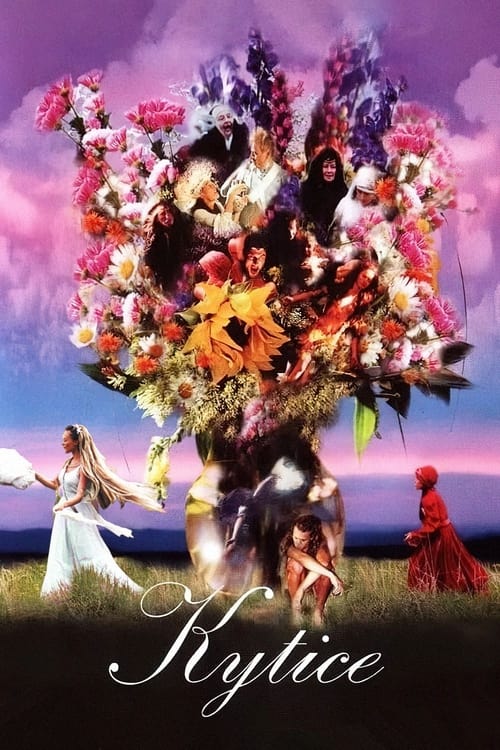
Seven seemingly unconnected fairy tales - glued together only by folklore, mood, color and light - make up this Czech collection of visual poetry. The original piece of literature, written by Karel Jaromír Erben in 1853, contained twelve tales.
2008
1965
1901
1984
2011
2015
1984
2007
No reviews yet. Be the first to share your thoughts on this movie!
Use the rating form above to leave a star rating and optional review.