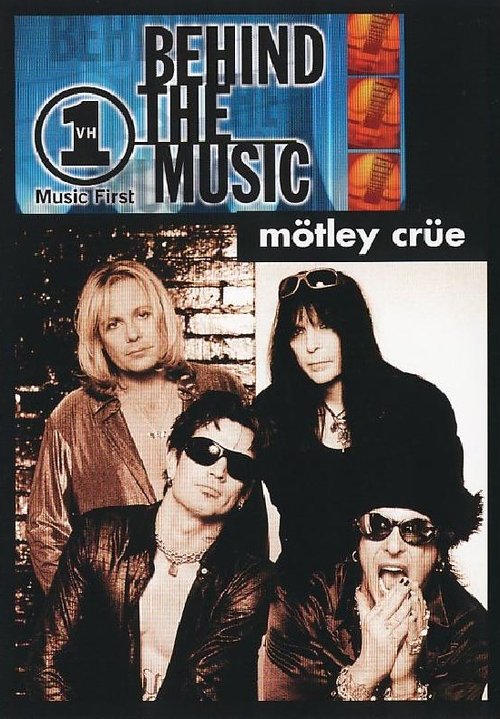
Mötley Crüe | Behind The Music
1998
No user ratings available yet
Representation score: 1.8 out of 10
Representation Score
Minimal
1998
TV-14Average Rating
No ratings yetNew Showbiz Analysis
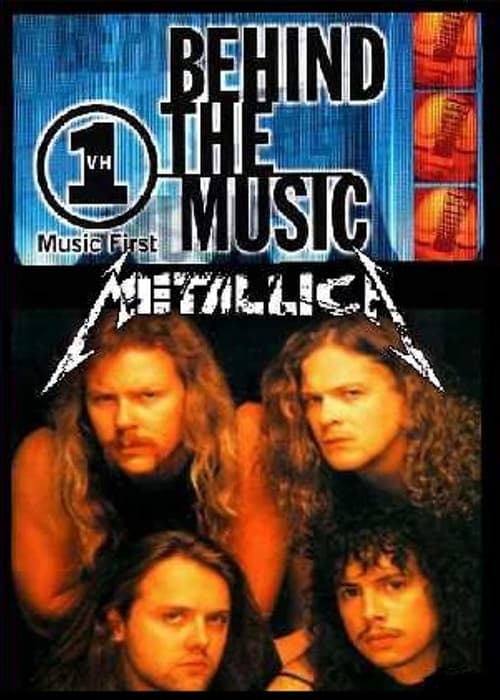
Metallica: Behind the Music is a niche biographical study reflecting the demographic constraints of the heavy metal genre during the late 20th century. The documentary prioritizes the internal history and professional trajectory of the band members, resulting in a highly homogeneous cast. The production lacks diverse representation, focusing almost entirely on a masculine-coded subculture. While it touches on physical injuries, it does so through the lens of rock stardom rather than disability advocacy. Ultimately, the film functions as a celebration of a specific musical identity, which inherently limits its scope of social and cultural diversity.
Category Breakdown
The documentary focuses solely on the professional history of the band and does not include any LGBTQ+ characters or narratives exploring non-straight relationships.
The narrative centers on a male-dominated musical environment where primary roles are held by male band members. There are no significant female perspectives or challenges to gender hierarchies.
The subjects appear racially homogeneous within the context of the heavy metal scene. The production does not show a commitment to integrating diverse ethnic perspectives.
The film operates within a framework of rock-and-roll mythology and celebrates a specific subcultural identity without critiquing broader socio-political institutions.
Physical trauma, such as James Hetfield’s injury, is presented as an occupational hazard and serves as plot points rather than being explored in terms of disability.
Present on Screen
Limited or Absent
Official Synopsis
Unveiling heavy metal band Metallica along with their career, death of their band mate Cliff Burton, guitarist James Hetfield's injury while on stage opening for Guns 'N' Roses in 1992. Interviews from the band members themselves.
1998

2004
1993

2010

2005

2004
2014
1992
No reviews yet. Be the first to share your thoughts on this movie!
Use the rating form above to leave a star rating and optional review.